
User guide






AirMagnet Spectrum XT User Guide
Chapter 10: Device Detection 143
RF Spectrum Pattern
802.11a APs operate in the “regulated” 5-GHz frequency band, meaning that they use radio
frequencies that are not used by other commercial wireless products. Unlike 802.11 b/g
WLANs which have only three non-overlapping channels, 802.11a WLANs have eight non-
overlapping channels to choose from.
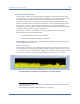
Figure 10-18 shows the RF spectrum pattern of an 802.11g/n AP in the 2.402-2.482 GHz
frequency range.
Figure 10-18: RF spectrum pattern of an 802.11g/n AP (OFDM)
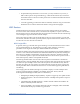
Figure 10-19: RF spectrum pattern of an 802.11g/n AP (CCK)
Impact on WiFi Networks
802.11a uses Orthogonal Frequency-Division Multiplexing (OFDM) signal modulation
method, which differs from DSSS signal modulation used by 802.11b WLANs. Since 802.11a
WLANs are installed mostly indoors, OFDM is the perfect choice in that it offers better data
rates than DSSS and reduces effects of multipath on signal quality and WLAN throughput.
Even though the 802.11a standard helps improve WLAN performance and reduce
interference, radio signals from an 802.11a AP can travel a much shorter distance than those of
802.11b/g APs. An 802.11a AP transmitter may cover less than a quarter of the area of a
comparable 802.11b AP. Brick walls and other obstructions affect 802.11a WLANs far more
than they do to comparable 802.11b/g WLANs.