
User guide




126 Chapter 10: Device Detection
AirMagnet Spectrum XT User Guide
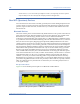
Figure 10-6: RF spectrum pattern of a microwave oven
Impact on 802.11b/g WLAN
Because microwave ovens are widely used in homes and businesses where WLANs are
deployed, radio signals leaking out of an operating microwave oven have long been identified
as a source of RF interference to 802.11b/g WLANs in these settings. They can significantly
slow down basic Internet applications such as Web file download and surfing. In the worst
cases, they can knock out the network connection completely.
Recommended Courses of Action
Once the interfering microwave oven is successfully located, the following actions are
recommended to minimize or eliminate the RF interference it causes to the 802.11 WLAN:
• Avoid using 802.11b/g WLAN near a microwave oven.
• When actively using WLAN applications (e.g., downloading files, video-
conferencing, searching the Internet), make sure to keep a “safe” distance (at least 10
feet away) from an operating microwave oven. The farther away you are from the
microwave oven, the less the interference.
• Find out the center frequency (which may vary depending on make, brand, or model)
of a microwave oven from its label, and try to steer your WLAN away from it.
• Change your 802.11b/g WLAN to 802.11a or upgrade it to 802.11n, which will not
only avoid RF interference from microwave ovens operating in the crowded 2.4-GHz
band but also offer greater throughput.
Wireless Cameras
A wireless security camera is typically made up of three components: a camera, a transmitter
to send the signal, and a receiver to receive the signal. The system works in such a way that
the wireless camera transmits video from the built-in transmitter to the receiver, which is
connected to a monitor or a recording device.
Most wireless cameras operate on the 2.4-GHz frequency – an unlicensed radio band also used
by 802.11b/g WLANs, cordless phones, Bluetooth devices, and microwave ovens, etc. Like the
other non-WiFi devices operating in the 2.4-GHz frequency band, wireless security cameras
installed in close proximity of an 802.11b/g WLAN can interfere with the normal operation
the WLAN. Unlike the other RF interfering devices operating in the 2.4-GHz band, radio
signals from the transmitter of a wireless security camera can travel a relatively long range