
SI4548-US-10 Manual

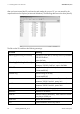

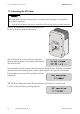
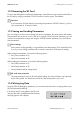
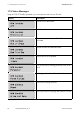
Table Of Contents
- 1 Information on this Manual
- 2 Sunny Island 4548-US/6048-US
- 3 Safety Precautions
- 4 Assembly
- 5 Opening and Closing
- 6 Electrical Connection
- 7 Control Elements
- 8 Initial Start-Up
- 9 Switching On and Off
- 10 Operation
- 11 Archiving Data on an SD Card
- 12 Additional Functions
- 12.1 Load Shedding
- 12.2 Sleep Mode
- 12.3 Time-Controlled Operation
- 12.4 Overload and Short-Circuit Behavior
- 12.5 Mixed Operation with Sunny Island inverters of Different Power
- 12.6 Device Faults and Autostart
- 12.7 Automatic Frequency Synchronization
- 12.8 Time-Controlled Standby
- 12.9 Behavior in the Event of a Failure in a Three-Phase System
- 13 Battery Management
- 14 Connecting External Sources
- 14.1 Generator
- 14.1.1 Parallel Connection
- 14.1.2 Generator Start Options
- 14.1.3 Generator Operation
- 14.1.4 Manual Generator Operation
- 14.1.5 Automatic Generator Operation
- 14.1.6 Limits and Power Control
- 14.1.7 Run Times
- 14.1.8 Operation Together with PV Inverters and Wind Power Inverters
- 14.1.9 Stopping the Generator
- 14.1.10 Stopping the Sunny Island
- 14.1.11 Disturbances
- 14.2 Grid
- 14.2.1 Limits of the Voltage Range and Frequency Range
- 14.2.2 Starting the Sunny Island
- 14.2.3 Operation in the Event of Grid Failure in a Grid-Tie Backup Configuration
- 14.2.4 Backup Operation and Anti-Islanding
- 14.2.5 Grid Reconnection
- 14.2.6 Grid Operation
- 14.2.7 Grid Failure
- 14.2.8 Disturbances
- 14.2.9 Limits and Power Control
- 14.2.10 Operation Together with PV Inverters and Wind Power Inverters
- 14.3 Generator and Grid
- 14.1 Generator
- 15 Relays
- 16 Multicluster Operation
- 16.1 Communication between the Sunny Island inverters
- 16.2 Initial Start-Up of the Multicluster System
- 16.3 Switching a Multicluster System On and Off
- 16.4 Generator Operation
- 16.5 Behavior with Different States of Charge
- 16.6 Testing the Multicluster Communication
- 16.7 Automatic Frequency Synchronization
- 16.8 Updating the Firmware
- 16.9 Error Handling in the Multicluster System
- 16.10 Grid Operation
- 16.11 Generator Emergency Operation
- 17 PV Inverters
- 18 Maintenance and Care
- 19 Parameter Lists
- 20 Troubleshooting
- 21 Accessories
- 22 Technical Data
- 23 Glossary
- 24 Contact

SMA America, LLC 11 Archiving Data on an SD Card
Technical description SI4548_6048-US-TB_en-13 97
11.2 Removing the SD Card
To ensure that all log data is saved upon deactivation, write all data not yet saved from the buffer to
the SD card by using the parameter "550.03 CardFunc" with the option "ForcedWrite".
11.3 Saving and Loading Parameters
You can configure and use various settings with various parameters, this means winter and summer.
This parameter seta are known as Set 1 and Set 2. Using the "550-01 ParaSto" parameter, you can
save the current parameter settings and using the "550.02 ParaLod" parameter, you can load the
saved parameters.
When saving the parameters, you have the following options:
• Set1 (save parameter set 1)
• Set2 (save parameter set 2)
When loading the parameters, you have the following options:
• Set1 (load parameter set 1)
• Set2 (load parameter set 2)
• Factory (load the default settings (reset)
11.4 Writing Log Data
Using the "550.04 DatLogEna" parameter, you can activate the function for writing log data to your
SD card (activated by default).
If the Sunny Island is writing data to the SD card,
removing the card is prohibited and the following
message appears on the display:
Data loss
If you remove the SD card without first activating the parameter "550.03 CardFunc", you lose
up to a maximum of 15 minutes of data.
Save settings
If the system is working optimally, it is a good idea to save these settings. This is especially useful
if you try out new settings and then wish to reset the inverter back to the previous settings.
SD card write protection
The write protection function of SD cards (plastic sliding clip on the left side) is not supported
by the Sunny Island. You should take note of this when writing data to your card.