
SI4548-US-10 Manual
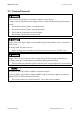
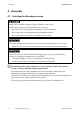
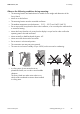
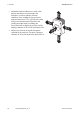
Table Of Contents
- 1 Information on this Manual
- 2 Sunny Island 4548-US/6048-US
- 3 Safety Precautions
- 4 Assembly
- 5 Opening and Closing
- 6 Electrical Connection
- 7 Control Elements
- 8 Initial Start-Up
- 9 Switching On and Off
- 10 Operation
- 11 Archiving Data on an SD Card
- 12 Additional Functions
- 12.1 Load Shedding
- 12.2 Sleep Mode
- 12.3 Time-Controlled Operation
- 12.4 Overload and Short-Circuit Behavior
- 12.5 Mixed Operation with Sunny Island inverters of Different Power
- 12.6 Device Faults and Autostart
- 12.7 Automatic Frequency Synchronization
- 12.8 Time-Controlled Standby
- 12.9 Behavior in the Event of a Failure in a Three-Phase System
- 13 Battery Management
- 14 Connecting External Sources
- 14.1 Generator
- 14.1.1 Parallel Connection
- 14.1.2 Generator Start Options
- 14.1.3 Generator Operation
- 14.1.4 Manual Generator Operation
- 14.1.5 Automatic Generator Operation
- 14.1.6 Limits and Power Control
- 14.1.7 Run Times
- 14.1.8 Operation Together with PV Inverters and Wind Power Inverters
- 14.1.9 Stopping the Generator
- 14.1.10 Stopping the Sunny Island
- 14.1.11 Disturbances
- 14.2 Grid
- 14.2.1 Limits of the Voltage Range and Frequency Range
- 14.2.2 Starting the Sunny Island
- 14.2.3 Operation in the Event of Grid Failure in a Grid-Tie Backup Configuration
- 14.2.4 Backup Operation and Anti-Islanding
- 14.2.5 Grid Reconnection
- 14.2.6 Grid Operation
- 14.2.7 Grid Failure
- 14.2.8 Disturbances
- 14.2.9 Limits and Power Control
- 14.2.10 Operation Together with PV Inverters and Wind Power Inverters
- 14.3 Generator and Grid
- 14.1 Generator
- 15 Relays
- 16 Multicluster Operation
- 16.1 Communication between the Sunny Island inverters
- 16.2 Initial Start-Up of the Multicluster System
- 16.3 Switching a Multicluster System On and Off
- 16.4 Generator Operation
- 16.5 Behavior with Different States of Charge
- 16.6 Testing the Multicluster Communication
- 16.7 Automatic Frequency Synchronization
- 16.8 Updating the Firmware
- 16.9 Error Handling in the Multicluster System
- 16.10 Grid Operation
- 16.11 Generator Emergency Operation
- 17 PV Inverters
- 18 Maintenance and Care
- 19 Parameter Lists
- 20 Troubleshooting
- 21 Accessories
- 22 Technical Data
- 23 Glossary
- 24 Contact

4 Assembly SMA America, LLC
28 SI4548_6048-US-TB_en-13 Technical description
4 Assembly
4.1 Selecting the Mounting Location
Danger to life if installed in improper locations. Death or serious burns.
Despite careful construction, electrical devices can cause fires.
• Do not mount the Sunny Island on flammable construction materials.
• Do not mount the Sunny Island near highly flammable materials.
• Do not mount the Sunny Island in potentially explosive areas.
Risk of injury through contact with hot enclosure parts during operation. Burns to the body.
• Mount the inverter in such a way that the enclosure cannot be touched inadvertently.
Risk of injury due to the Sunny Island falling during transport or mounting. Physical injury
(fractures or crushing) and damage to the Sunny Island.
• Consider the weight of the Sunny Island which is 139 lb. (63 kg).
• Use the recessed grips or steel bars for transporting and mounting.
Overheating of the Sunny Island due to close proximity to other Sunny Island
inverters in areas with high ambient temperatures.
If several inverters have been installed in areas with high ambient temperatures, the
independent cooling of individual inverters needs to be guaranteed.
If needed, increase the distance between the individual inverters and provide enough fresh-air
supply to ensure the optimal operation of the inverters.
The Sunny Island switches itself off automatically in the event of overtemperature.