
SI4548-US-10 Manual




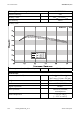


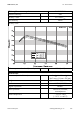

Table Of Contents
- 1 Information on this Manual
- 2 Sunny Island 4548-US/6048-US
- 3 Safety Precautions
- 4 Assembly
- 5 Opening and Closing
- 6 Electrical Connection
- 7 Control Elements
- 8 Initial Start-Up
- 9 Switching On and Off
- 10 Operation
- 11 Archiving Data on an SD Card
- 12 Additional Functions
- 12.1 Load Shedding
- 12.2 Sleep Mode
- 12.3 Time-Controlled Operation
- 12.4 Overload and Short-Circuit Behavior
- 12.5 Mixed Operation with Sunny Island inverters of Different Power
- 12.6 Device Faults and Autostart
- 12.7 Automatic Frequency Synchronization
- 12.8 Time-Controlled Standby
- 12.9 Behavior in the Event of a Failure in a Three-Phase System
- 13 Battery Management
- 14 Connecting External Sources
- 14.1 Generator
- 14.1.1 Parallel Connection
- 14.1.2 Generator Start Options
- 14.1.3 Generator Operation
- 14.1.4 Manual Generator Operation
- 14.1.5 Automatic Generator Operation
- 14.1.6 Limits and Power Control
- 14.1.7 Run Times
- 14.1.8 Operation Together with PV Inverters and Wind Power Inverters
- 14.1.9 Stopping the Generator
- 14.1.10 Stopping the Sunny Island
- 14.1.11 Disturbances
- 14.2 Grid
- 14.2.1 Limits of the Voltage Range and Frequency Range
- 14.2.2 Starting the Sunny Island
- 14.2.3 Operation in the Event of Grid Failure in a Grid-Tie Backup Configuration
- 14.2.4 Backup Operation and Anti-Islanding
- 14.2.5 Grid Reconnection
- 14.2.6 Grid Operation
- 14.2.7 Grid Failure
- 14.2.8 Disturbances
- 14.2.9 Limits and Power Control
- 14.2.10 Operation Together with PV Inverters and Wind Power Inverters
- 14.3 Generator and Grid
- 14.1 Generator
- 15 Relays
- 16 Multicluster Operation
- 16.1 Communication between the Sunny Island inverters
- 16.2 Initial Start-Up of the Multicluster System
- 16.3 Switching a Multicluster System On and Off
- 16.4 Generator Operation
- 16.5 Behavior with Different States of Charge
- 16.6 Testing the Multicluster Communication
- 16.7 Automatic Frequency Synchronization
- 16.8 Updating the Firmware
- 16.9 Error Handling in the Multicluster System
- 16.10 Grid Operation
- 16.11 Generator Emergency Operation
- 17 PV Inverters
- 18 Maintenance and Care
- 19 Parameter Lists
- 20 Troubleshooting
- 21 Accessories
- 22 Technical Data
- 23 Glossary
- 24 Contact

22 Technical Data SMA America, LLC
228 SI4548_6048-US-TB_en-13 Technical description
Continuous AC power at 104°F (40°C) P
nom
4,700 W
AC power at 104°F (40°C) for 3 hours P
3h
5,000 W
Continuous AC power at 122°F (50°C) P
nom
3,500 W
Continuous AC power at 140°F (60°C) P
nom
2,200 W
Nominal AC current I
AC, nom
48.0 A
Maximum current (peak value) for 60 ms I
AC, max
180 A
Total harmonic distortion of the output voltage K
VAC
< 3%
Power factor cos φ –1 to +1
Input Data
Input voltage (adjustable) U
AC, ext
120 V (80 V to 150 V)
Input frequency (adjustable) f
ext
60 Hz ( 54 Hz to 66 Hz)
Maximum AC input current (adjustable) I
AC, ext
56 A (0 A to 56 A)
Maximum input power P
AC, ext
6.7 kW
Battery Data
Battery voltage (range) U
Bat, nom
48 V (41 V to 63 V)
Maximum battery charging current I
Bat, max
140 A
Continuous charging current I
Bat, nom
110 A
Battery capacity C
Bat
100 Ah to 10,000 Ah
Charge control IUoU procedure with automatic full
and equalization charge
Battery type VRLA / FLA / NiCd
Output Data SI 6048-US-10