
FAQ
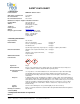
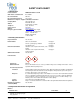

REDIPOXY Adhesive Part B
917048 Version #: 01 Revision date: - Issue date: 10-March-2014
SDS US
2 / 7
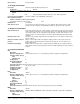
Reaction
p
roduct: Bis
p
henol 28064-14-4 14-25
F-(epichlorohydrin); epoxy
resin
Alkyl(C12-14) glycidyl ether 68609-97-2 9-15
Composition comments
All concentrations are in percent by weight unless ingredient is a gas. Gas concentrations are in
percent by volume.
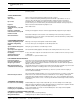
4. First-aid measures
Inhalation
Move to fresh air. Call a physician if symptoms develop or persist.
Skin contact
Remove contaminated clothing immediately and wash skin with soap and water. In case of
eczema or other skin disorders: Seek medical attention and take along these instructions.
Eye contact
Immediately flush eyes with plenty of water for at least 15 minutes. Remove contact lenses, if
present and easy to do. Continue rinsing. Get medical attention if irritation develops and persists.
Ingestion
Rinse mouth. Get medical attention if symptoms occur.
Most important
symptoms/effects, acute and
delayed
Indication of immediate
medical attention and special
treatment needed
Rash. Irritant effects.
Provide general supportive measures and treat symptomatically. Symptoms may be delayed.
General information
Ensure that medical personnel are aware of the material(s) involved, and take precautions to
protect themselves. If you feel unwell, seek medical advice (show the label where possible). Wash
contaminated clothing before reuse.
5. Fire-fighting measures
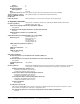
Suitable extinguishing media
Water fog. Foam. Dry chemical powder. Carbon dioxide (CO2).
Unsuitable extinguishing
media
Specific hazards arising from
the chemical
Special protective equipment
and precautions for firefighters
Fire-fighting
equipment/instructions
Do not use water jet as an extinguisher, as this will spread the fire.
During fire, gases hazardous to health may be formed.
Self-contained breathing apparatus and full protective clothing must be worn in case of fire.
In case of fire and/or explosion do not breathe fumes. Move containers from fire area if you can do
so without risk.
General fire hazards
No unusual fire or explosion hazards noted.
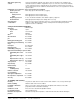
6. Accidental release measures
Personal precautions,
protective equipment and
emergency procedures
Methods and materials for
containment and cleaning up
Keep unnecessary personnel away. Wear appropriate protective equipment and clothing during
clean-up. Do not touch damaged containers or spilled material unless wearing appropriate
protective clothing. Ensure adequate ventilation. Local authorities should be advised if significant
spillages cannot be contained.
Large Spills: Stop the flow of material, if this is without risk. Absorb in vermiculite, dry sand or earth
and place into containers. Following product recovery, flush area with water.
Small Spills: Wipe up with absorbent material (e.g. cloth, fleece). Clean surface thoroughly to
remove residual contamination.
Never return spills in original containers for re-use. For waste disposal, see Section 13 of the SDS.
Environmental precautions
Avoid release to the environment. Contact local authorities in case of spillage to drain/aquatic
environment. Prevent further leakage or spillage if safe to do so. Do not contaminate water. Avoid
discharge into drains, water courses or onto the ground. Environmental manager must be informed
of all releases.
7. Handling and storage
Precautions for safe handling
Avoid breathing mist or vapor. Avoid contact with eyes, skin, and clothing. Persons with epoxy
allergy should not work with this product. Wear appropriate personal protective equipment. Provide
adequate ventilation. Observe good industrial hygiene practices.
Conditions for safe storage,
including any incompatibilities
Keep container tightly closed. Store in a well-ventilated place. Store away from incompatible
materials (See Section 10).
8. Exposure controls/personal protection
Occupational exposure limits
No exposure limits noted for ingredient(s).
Biological limit values
No biological exposure limits noted for the ingredient(s).