
FAQ
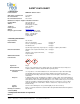
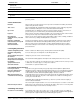
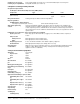
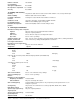
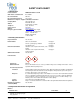

REDIPOXY Adhesive Part A
917127 Version #: 02 Revision date: 25-November-2013 Issue date: 25-November-2013
SDS US
2 / 7
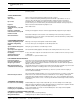
Chemical name
Fatty acids, tall-oil, reaction
products with
tetraethylenepentamine
CAS number %
68953-36-6 70 - 75
Tetraethylene pentamine
112-57-2 8 - 10
2-Piperazin-1-ylethylamine
140-31-8 3 - 5
2,4,6-Tris-(dimethylaminometh
yl)- phenol
90-72-2 1 - 3
Composition comments
All concentrations are in percent by weight unless ingredient is a gas. Gas concentrations are in
percent by volume.
4. First-aid measures
Inhalation
Remove victim to fresh air and keep at rest in a position comfortable for breathing. Get medical
attention if any discomfort continues.
Skin contact
Take off immediately all contaminated clothing. Chemical burns must be treated by a physician.
Wash contaminated clothing before reuse. Get medical attention immediately.
Eye contact
Immediately flush eyes with plenty of water for at least 15 minutes. Remove contact lenses, if
present and easy to do. Continue rinsing. Get medical attention immediately.
Ingestion
Rinse mouth. Do not induce vomiting. If vomiting occurs, keep head low so that stomach content
doesn't get into the lungs. Get medical attention if any discomfort continues.
Most important
symptoms/effects, acute and
delayed
Indication of immediate
medical attention and special
treatment needed
Rash. Corrosive effects. Symptoms may include stinging, tearing, redness, swelling, and blurred
vision. Permanent eye damage including blindness could result.
Provide general supportive measures and treat symptomatically. Symptoms may be delayed.
Chemical burns: Flush with water immediately. While flushing, remove clothes which do not
adhere to affected area. Call an ambulance. Continue flushing during transport to hospital.
General information
Ensure that medical personnel are aware of the material(s) involved, and take precautions to
protect themselves.
5. Fire-fighting measures
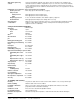
Suitable extinguishing media
Alcohol resistant foam. Water fog. Dry chemical powder. Carbon dioxide (CO2).
Unsuitable extinguishing
media
Specific hazards arising from
the chemical
Special protective equipment
and precautions for firefighters
Fire-fighting
equipment/instructions
Do not use water jet as an extinguisher, as this will spread the fire.
Heating may cause the release of ammonia vapors.
Self-contained breathing apparatus and full protective clothing must be worn in case of fire.
In case of fire and/or explosion do not breathe fumes. Move containers from fire area if you can do
so without risk. Use water spray to cool unopened containers.
General fire hazards
No unusual fire or explosion hazards noted.
6. Accidental release measures
Personal precautions,
protective equipment and
emergency procedures
Methods and materials for
containment and cleaning up
Keep unnecessary personnel away. Keep people away from and upwind of spill/leak. Wear
appropriate protective equipment and clothing during clean-up. Do not touch damaged containers
or spilled material unless wearing appropriate protective clothing. Ensure adequate ventilation.
Local authorities should be advised if significant spillages cannot be contained.
Large Spills: Stop the flow of material, if this is without risk. Dike the spilled material, where this is
possible. Absorb in vermiculite, dry sand or earth and place into containers. Following product
recovery, flush area with water.
Small Spills: Wipe up with absorbent material (e.g. cloth, fleece). Clean surface thoroughly to
remove residual contamination.
Never return spills in original containers for re-use. For waste disposal, see Section 13 of the SDS.
Environmental precautions
Avoid release to the environment. Do not discharge into drains, water courses or onto the ground.
Environmental manager must be informed of all major releases.
7. Handling and storage
Precautions for safe handling
Do not breathe mist or vapor. Do not get in eyes, on skin, on clothing. Persons susceptible for
allergic reactions should not handle this product. Use with adequate ventilation. Wear appropriate
personal protective equipment. Observe good industrial hygiene practices.