
FAQ

REDIPOXY Adhesive Part B
917048 Version #: 01 Revision date: - Issue date: 10-March-2014
SDS US
4 / 7
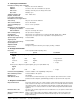
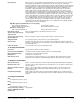
11. Toxicological information
Information on likely routes of exposure
Ingestion
May cause discomfort if swallowed.
Inhalation
No adverse effects due to inhalation are expected.
Skin contact
Irritating to skin. May cause an allergic skin reaction.
Eye contact
Irritating to eyes.
Symptoms related to the
physical, chemical and
toxicological characteristics
Rash. Irritant effects.
Information on toxicological effects
Acute toxicity
May cause discomfort if swallowed.
Skin corrosion/irritation
Causes skin irritation.
Serious eye damage/eye
irritation
Respiratory or skin sensitization
Causes serious eye irritation.
Respiratory sensitization
No data available.
Skin sensitization
May cause an allergic skin reaction.
Germ cell mutagenicity
Not expected to be mutagenic.
Carcinogenicity
This product is not considered to be a carcinogen by IARC, ACGIH, NTP, or OSHA.
Reproductive toxicity
This product is not expected to cause reproductive or developmental effects.
Specific target organ toxicity -
single exposure
Specific target organ toxicity -
repeated exposure
No data available.
No data available.
Aspiration hazard
No data available.
Chronic effects
Prolonged or repeated contact may cause drying, cracking, or irritation.
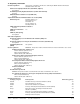
12. Ecological information
Ecotoxicity
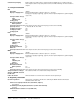
Toxic to aquatic life with long lasting effects.
Components Species Test Results
Propane, 2,2-bis[p-(2,3-epoxypropoxy)phenyl]-, polymers (CAS 25085-99-8)
Aquatic
Acute
Algae
Crustacea
Fish
IC50
EC50
LC50
Algae
Daphnia
Fish
11 mg/l, 72 hours
1.8 mg/l, 48 hours
1 - 10 mg/l
Reaction product: Bisphenol F-(epichlorohydrin); epoxy resin (CAS 28064-14-4)
Aquatic
Acute
Fish LC50 Fish 1 - 10 mg/l
Persistence and degradability
No data is available on the degradability of this product.
Bioaccumulative potential
No data available for this product.
Mobility in soil
Not available.
Other adverse effects
No other adverse environmental effects (e.g. ozone depletion, photochemical ozone creation
potential, endocrine disruption, global warming potential) are expected from this component.
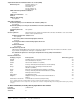
13. Disposal considerations
Disposal instructions
Collect and reclaim or dispose in sealed containers at licensed waste disposal site. This material
and its container must be disposed of as hazardous waste. Do not allow this material to drain into
sewers/water supplies. Do not contaminate ponds, waterways or ditches with chemical or used
container. Dispose of contents/container in accordance with local/regional/national/international
regulations.
Hazardous waste code
The waste code should be assigned in discussion between the user, the producer and the waste
disposal company.
Waste from residues / unused
products
Dispose of in accordance with local regulations. Empty containers or liners may retain some
product residues. This material and its container must be disposed of in a safe manner (see:
Disposal instructions).