
Specifications
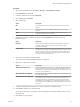
Table Of Contents
- Getting Started with VMware Player
- Contents
- Getting Started with VMware Player
- Introduction and System Requirements
- Installing and Using Player
- Creating Virtual Machines
- Understanding Virtual Machines
- Preparing to Create a Virtual Machine
- Create a Virtual Machine
- Use Easy Install to Install a Guest Operating System
- Install a Guest Operating System Manually
- Importing Virtual Machines
- Installing and Upgrading VMware Tools
- Installing VMware Tools
- Upgrading VMware Tools
- Configure Software Update Preferences
- Configure VMware Tools Updates for a Specific Virtual Machine
- Manually Installing and Upgrading VMware Tools
- Manually Install or Upgrade VMware Tools in a Windows Virtual Machine
- Manually Install or Upgrade VMware Tools in a Linux Virtual Machine
- Manually Install or Upgrade VMware Tools in a NetWare Virtual Machine
- Manually Install or Upgrade VMware Tools in a Solaris Virtual Machine
- Manually Install or Upgrade VMware Tools in a FreeBSD Virtual Machine
- Start the VMware User Process Manually If You Do Not Use a Session Manager
- Uninstall VMware Tools
- Virtual Machine Files
- Using Virtual Machines
- Starting Virtual Machines in Player
- Stopping Virtual Machines in Player
- Transferring Files and Text
- Using the Drag-and-Drop Feature
- Using the Copy and Paste Feature
- Using Shared Folders
- Mapping a Virtual Disk to the Host System
- Add a Host Printer to a Virtual Machine
- Using Removable Devices in Virtual Machines
- Install New Software in a Virtual Machine
- Changing the Virtual Machine Display
- Download a Virtual Appliance in Player
- Remove a Virtual Machine from the Library in Player
- Configuring and Managing Virtual Machines
- Change the Name of a Virtual Machine
- Change the Guest Operating System for a Virtual Machine
- Change the Working Directory for a Virtual Machine
- Change the Virtual Machine Directory for a Virtual Machine
- Change the Memory Allocation for a Virtual Machine
- Configuring Video and Sound
- Moving Virtual Machines
- Delete a Virtual Machine
- View the Message Log for a Virtual Machine
- Using the VIX API
- Configuring and Managing Devices
- Configuring DVD, CD-ROM, and Floppy Drives
- Configuring a USB Controller
- Configuring and Maintaining Virtual Hard Disks
- Configuring Virtual Ports
- Add a Virtual Parallel Port to a Virtual Machine
- Configure a Virtual Parallel Port on a Linux 2.6.x Kernel Host
- Configure Permissions for a Parallel Port Device on a Linux Host
- Troubleshoot ECR Errors for Parallel Ports
- Add a Virtual Serial Port to a Virtual Machine
- Change the Input Speed of a Serial Connection
- Configuring Generic SCSI Devices
- Configuring Eight-Way Virtual Symmetric Multiprocessing
- Configuring Keyboard Features
- Modify Hardware Settings for a Virtual Machine
- Configuring Network Connections
- Index

2 On the Hardware tab, click Add.
3 In the New Hardware wizard, select Parallel Port.
4 Select where the virtual parallel port sends output.
Option Description
Use a physical parallel port
Select a parallel port on the host system.
Use output file
Send output from the virtual parallel port to a file on the host system.
Either locate an existing output file or browse to a directory and type a
filename to create a new output file.
5 To connect the virtual parallel port to the virtual machine when the virtual machine powers on, select
Connect at power on.
6 Click Finish to add the virtual parallel port to the virtual machine.
When a parallel port is configured for a virtual machine, most guest operating systems detect the port at
installation time and install the required drivers. Some operating systems, including Linux, Windows NT,
and Windows 2000, detect the ports at boot time.
What to do next
If the guest operating system is Windows 95 or Windows 98, run the Add New Hardware wizard to detect
and add the parallel port.
Configure a Virtual Parallel Port on a Linux 2.6.x Kernel Host
Linux 2.6.x kernels that support parallel ports use the modprobe modulename and modprobe parport_pc
modules. Player requires that the parallel port PC-style hardware option (CONFIG_PARPORT_PC) is built and
loaded as a kernel module.
Linux kernels in the 2.6.x series use a special arbitrator for access to the parallel port hardware. If the host
system is using the parallel port, the virtual machine cannot use it. If a virtual machine is using the parallel
port, the host and any users accessing the host are denied access to the device. You must use the Removable
Devices menu to disconnect the parallel port from the virtual machine to access the device from the host
system.
Procedure
1 To determine whether the modprobe modulename and modprobe parport_pc modules are installed and
loaded on the host system, run the lsmod command as the root user.
You can also see a list of modules in the /proc/modules file.
NOTE In Linux 2.6.x, loading parport_pc does not load all modules.
2 If necessary, load the parallel port modules.
For example: modprobe parport_pc && modprobe ppdev
This command inserts the modules that are required for a parallel port.
3 If the lp module is loaded, run the rmmod command as root to remove it.
For example: rmmod lp
The virtual machine cannot use the parallel port correctly if the lp module is loaded.
Getting Started with VMware Player
88 VMware, Inc.