
Specifications
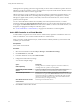
Table Of Contents
- Getting Started with VMware Player
- Contents
- Getting Started with VMware Player
- Introduction and System Requirements
- Installing and Using Player
- Creating Virtual Machines
- Understanding Virtual Machines
- Preparing to Create a Virtual Machine
- Create a Virtual Machine
- Use Easy Install to Install a Guest Operating System
- Install a Guest Operating System Manually
- Importing Virtual Machines
- Installing and Upgrading VMware Tools
- Installing VMware Tools
- Upgrading VMware Tools
- Configure Software Update Preferences
- Configure VMware Tools Updates for a Specific Virtual Machine
- Manually Installing and Upgrading VMware Tools
- Manually Install or Upgrade VMware Tools in a Windows Virtual Machine
- Manually Install or Upgrade VMware Tools in a Linux Virtual Machine
- Manually Install or Upgrade VMware Tools in a NetWare Virtual Machine
- Manually Install or Upgrade VMware Tools in a Solaris Virtual Machine
- Manually Install or Upgrade VMware Tools in a FreeBSD Virtual Machine
- Start the VMware User Process Manually If You Do Not Use a Session Manager
- Uninstall VMware Tools
- Virtual Machine Files
- Using Virtual Machines
- Starting Virtual Machines in Player
- Stopping Virtual Machines in Player
- Transferring Files and Text
- Using the Drag-and-Drop Feature
- Using the Copy and Paste Feature
- Using Shared Folders
- Mapping a Virtual Disk to the Host System
- Add a Host Printer to a Virtual Machine
- Using Removable Devices in Virtual Machines
- Install New Software in a Virtual Machine
- Changing the Virtual Machine Display
- Download a Virtual Appliance in Player
- Remove a Virtual Machine from the Library in Player
- Configuring and Managing Virtual Machines
- Change the Name of a Virtual Machine
- Change the Guest Operating System for a Virtual Machine
- Change the Working Directory for a Virtual Machine
- Change the Virtual Machine Directory for a Virtual Machine
- Change the Memory Allocation for a Virtual Machine
- Configuring Video and Sound
- Moving Virtual Machines
- Delete a Virtual Machine
- View the Message Log for a Virtual Machine
- Using the VIX API
- Configuring and Managing Devices
- Configuring DVD, CD-ROM, and Floppy Drives
- Configuring a USB Controller
- Configuring and Maintaining Virtual Hard Disks
- Configuring Virtual Ports
- Add a Virtual Parallel Port to a Virtual Machine
- Configure a Virtual Parallel Port on a Linux 2.6.x Kernel Host
- Configure Permissions for a Parallel Port Device on a Linux Host
- Troubleshoot ECR Errors for Parallel Ports
- Add a Virtual Serial Port to a Virtual Machine
- Change the Input Speed of a Serial Connection
- Configuring Generic SCSI Devices
- Configuring Eight-Way Virtual Symmetric Multiprocessing
- Configuring Keyboard Features
- Modify Hardware Settings for a Virtual Machine
- Configuring Network Connections
- Index

2 If you have a Windows host system, move the Hardware Acceleration slider to the Full position.
Option Description
Windows XP
Right-click the desktop and select Properties > Settings > Advanced >
Troubleshoot.
Windows Vista
Right-click the desktop and select Personalize > Display Settings >
Advanced Settings > Troubleshoot > Change settings.
Windows 7
Right-click the desktop and select Personalize > Screen resolution >
Advanced Settings > Troubleshoot > Change settings.
3 If you have a Linux host system, run commands to test the host for compatibility.
a Verify that direct rendering is enabled.
glxinfo | grep direct
b Verify that 3-D applications work.
glxgears
Prepare a Virtual Machine to Use Accelerated 3D Graphics
You must perform certain preparation tasks to use accelerated 3D graphics on a virtual machine.
The accelerated 3D graphics feature is enabled by default on Player 3.x and later virtual machines.
Prerequisites
n
Prepare the host system to use accelerated 3D graphics. See “Prepare the Host System to Use DirectX 9
Accelerated Graphics,” on page 70.
n
Verify that the guest operating system is Windows XP, Windows Vista, or Windows 7.
n
Verify that the latest version of VMware Tools is installed in the guest operating system.
n
Power off the virtual machine. The virtual machine must not be suspended.
Procedure
1 Select the virtual machine and select Player > Manage > Virtual Machine Settings.
2 On the Hardware tab, select Display.
3 Select Accelerate 3D graphics.
4 Configure the virtual machine to use only one monitor.
5 Click OK to save your changes.
6 Power on the virtual machine and install DirectX 9.0c End User Runtime.
This download is available from the Microsoft Download Center.
7 Install and run your 3D applications.
Chapter 5 Configuring and Managing Virtual Machines
VMware, Inc. 71