
Specifications
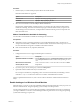
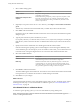
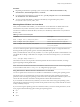
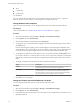
Table Of Contents
- Getting Started with VMware Player
- Contents
- Getting Started with VMware Player
- Introduction and System Requirements
- Installing and Using Player
- Creating Virtual Machines
- Understanding Virtual Machines
- Preparing to Create a Virtual Machine
- Create a Virtual Machine
- Use Easy Install to Install a Guest Operating System
- Install a Guest Operating System Manually
- Importing Virtual Machines
- Installing and Upgrading VMware Tools
- Installing VMware Tools
- Upgrading VMware Tools
- Configure Software Update Preferences
- Configure VMware Tools Updates for a Specific Virtual Machine
- Manually Installing and Upgrading VMware Tools
- Manually Install or Upgrade VMware Tools in a Windows Virtual Machine
- Manually Install or Upgrade VMware Tools in a Linux Virtual Machine
- Manually Install or Upgrade VMware Tools in a NetWare Virtual Machine
- Manually Install or Upgrade VMware Tools in a Solaris Virtual Machine
- Manually Install or Upgrade VMware Tools in a FreeBSD Virtual Machine
- Start the VMware User Process Manually If You Do Not Use a Session Manager
- Uninstall VMware Tools
- Virtual Machine Files
- Using Virtual Machines
- Starting Virtual Machines in Player
- Stopping Virtual Machines in Player
- Transferring Files and Text
- Using the Drag-and-Drop Feature
- Using the Copy and Paste Feature
- Using Shared Folders
- Mapping a Virtual Disk to the Host System
- Add a Host Printer to a Virtual Machine
- Using Removable Devices in Virtual Machines
- Install New Software in a Virtual Machine
- Changing the Virtual Machine Display
- Download a Virtual Appliance in Player
- Remove a Virtual Machine from the Library in Player
- Configuring and Managing Virtual Machines
- Change the Name of a Virtual Machine
- Change the Guest Operating System for a Virtual Machine
- Change the Working Directory for a Virtual Machine
- Change the Virtual Machine Directory for a Virtual Machine
- Change the Memory Allocation for a Virtual Machine
- Configuring Video and Sound
- Moving Virtual Machines
- Delete a Virtual Machine
- View the Message Log for a Virtual Machine
- Using the VIX API
- Configuring and Managing Devices
- Configuring DVD, CD-ROM, and Floppy Drives
- Configuring a USB Controller
- Configuring and Maintaining Virtual Hard Disks
- Configuring Virtual Ports
- Add a Virtual Parallel Port to a Virtual Machine
- Configure a Virtual Parallel Port on a Linux 2.6.x Kernel Host
- Configure Permissions for a Parallel Port Device on a Linux Host
- Troubleshoot ECR Errors for Parallel Ports
- Add a Virtual Serial Port to a Virtual Machine
- Change the Input Speed of a Serial Connection
- Configuring Generic SCSI Devices
- Configuring Eight-Way Virtual Symmetric Multiprocessing
- Configuring Keyboard Features
- Modify Hardware Settings for a Virtual Machine
- Configuring Network Connections
- Index

Procedure
n
Depending on the Windows operating system version, look for VMware Shared Folders in My
Network Places, Network Neighborhood, or Network.
n
If you mapped the shared folder as a network drive, open My Computer and look for Shared Folders
on 'vmware-host' under Network Drives.
n
To view a specific shared folder, go directly to the folder by using the UNC path \\vmware-
host\Shared Folders\shared_folder_name.
Mounting Shared Folders in a Linux Guest
After you have enabled a shared folder, you can mount one or more directories or subdirectories in the
shared folder to any location in the file system in addition to the default location of /mnt/hgfs.
Use the mount command to mount all shares, one share, or a subdirectory within a share to any location in
the file system.
Table 4‑1. Mount Command Syntax
Command Description
mount -t vmhgfs .host:/ /home/user1/shares Mounts all shares to /home/user1/shares
mount -t vmhgfs .host:/foo /tmp/foo Mounts the share named foo to /tmp/foo
mount -t vmhgfs .host:/foo/bar /var/lib/bar Mounts the subdirectory bar within the share
foo to /var/lib/bar
You can use VMware-specific options in addition to the standard mount syntax. For usage information for
the host-guest file system options, type the command /sbin/mount.vmhgfs -h.
When you install VMware Tools, an entry is made to etc/fstab to specify the location of shared folders. You
can edit this file to change or add entries. For example, to auto-mount at startup, edit /etc/fstab and add
the line:
.host:/ /mnt/hgfs vmhgfs defaults 0 0
The VMware Tools services script loads a driver that performs the mount. If the mount fails, a message
appears regarding mounting HGFS shares.
NOTE The mount can fail if shared folders are disabled or if the share does not exist. You are not prompted
to run the VMware Tools vmware-config-tools.pl configuration program again.
Using Permissions to Restrict Access to Shared Files in a Linux Guest
You can use permissions to restrict access to the files in a shared folder on a Linux guest operating system.
On a Linux host, if you create files that you want to share with a Linux guest operating system, the file
permissions shown on the guest operating system are the same as the permissions on the host system. You
can use the fmask and dmask commands to mask permissions bits for files and directories.
If you create files on a Windows host system that you want to share with a Linux guest operating system,
read-only files are displayed as having read and execute permission for everyone and other files are shown
as fully writable by everyone.
If you use a Linux guest operating system to create files for which you want to restrict permissions, use the
mount program with the following options in the guest operating system.
n
uid
n
gid
n
fmask
Chapter 4 Using Virtual Machines
VMware, Inc. 49