
Specifications
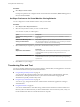
Table Of Contents
- Getting Started with VMware Player
- Contents
- Getting Started with VMware Player
- Introduction and System Requirements
- Installing and Using Player
- Creating Virtual Machines
- Understanding Virtual Machines
- Preparing to Create a Virtual Machine
- Create a Virtual Machine
- Use Easy Install to Install a Guest Operating System
- Install a Guest Operating System Manually
- Importing Virtual Machines
- Installing and Upgrading VMware Tools
- Installing VMware Tools
- Upgrading VMware Tools
- Configure Software Update Preferences
- Configure VMware Tools Updates for a Specific Virtual Machine
- Manually Installing and Upgrading VMware Tools
- Manually Install or Upgrade VMware Tools in a Windows Virtual Machine
- Manually Install or Upgrade VMware Tools in a Linux Virtual Machine
- Manually Install or Upgrade VMware Tools in a NetWare Virtual Machine
- Manually Install or Upgrade VMware Tools in a Solaris Virtual Machine
- Manually Install or Upgrade VMware Tools in a FreeBSD Virtual Machine
- Start the VMware User Process Manually If You Do Not Use a Session Manager
- Uninstall VMware Tools
- Virtual Machine Files
- Using Virtual Machines
- Starting Virtual Machines in Player
- Stopping Virtual Machines in Player
- Transferring Files and Text
- Using the Drag-and-Drop Feature
- Using the Copy and Paste Feature
- Using Shared Folders
- Mapping a Virtual Disk to the Host System
- Add a Host Printer to a Virtual Machine
- Using Removable Devices in Virtual Machines
- Install New Software in a Virtual Machine
- Changing the Virtual Machine Display
- Download a Virtual Appliance in Player
- Remove a Virtual Machine from the Library in Player
- Configuring and Managing Virtual Machines
- Change the Name of a Virtual Machine
- Change the Guest Operating System for a Virtual Machine
- Change the Working Directory for a Virtual Machine
- Change the Virtual Machine Directory for a Virtual Machine
- Change the Memory Allocation for a Virtual Machine
- Configuring Video and Sound
- Moving Virtual Machines
- Delete a Virtual Machine
- View the Message Log for a Virtual Machine
- Using the VIX API
- Configuring and Managing Devices
- Configuring DVD, CD-ROM, and Floppy Drives
- Configuring a USB Controller
- Configuring and Maintaining Virtual Hard Disks
- Configuring Virtual Ports
- Add a Virtual Parallel Port to a Virtual Machine
- Configure a Virtual Parallel Port on a Linux 2.6.x Kernel Host
- Configure Permissions for a Parallel Port Device on a Linux Host
- Troubleshoot ECR Errors for Parallel Ports
- Add a Virtual Serial Port to a Virtual Machine
- Change the Input Speed of a Serial Connection
- Configuring Generic SCSI Devices
- Configuring Eight-Way Virtual Symmetric Multiprocessing
- Configuring Keyboard Features
- Modify Hardware Settings for a Virtual Machine
- Configuring Network Connections
- Index

Procedure
1 Run the vmplayer command and specify the URL of the virtual machine.
Both HTTP and HTTPS are supported.
Option Description
Windows host
vmplayer.exe http://path_to_vm.vmx
Linux host
vmplayer http://path_to_vm.vmx
2 Select the virtual machine and select Player > Power > Power On.
Player fetches virtual disk data on demand so that you can begin using the virtual machine before it
finishes downloading. The status bar indicates the progress of the download. When you point to the
VM streaming icon on the status bar, a tooltip indicates whether streaming is active and provides the
URL of the Web server.
Make a Virtual Machine Available for Streaming
You can make a virtual machine available for streaming from a Web server.
Prerequisites
n
(Optional) To improve streaming performance, use Virtual Disk Manager (vmware-diskmanager) to
compress the virtual disk (.vmdk) files for the virtual machine. See the Virtual Disk Manager User’s Guide
for more information. This guide is available on the VMware Web site.
n
If the virtual machine has any snapshots, delete them.
Procedure
1 Configure the Web server to support HTTP keep-alive connections.
Option Description
Apache HTTP Server 1.2 and later
Turn the KeepAlive option on, set MaxKeepAliveRequest to 2000 to 5000,
and set KeepAliveTimeout to 2000 to 5000 seconds, depending on server
load.
Microsoft Internet Information
Services (IIS) 6.0 or later
Set the connection timeout to a value above 300 seconds and load HTTP
Keep-Alives.
2 If you use a proxy server, set the proxy connection to Keep-alive.
3 Upload the virtual machines directory to the Web server.
Do not compress the directory. Depending on the size of the virtual machine, downloading a virtual
machine in a .zip or .tar file from a Web server can take a considerable amount of time.
After it is uploaded to the Web server, users can use a URL to stream the virtual machine and start it in
Player.
Enable Autologon in a Windows Virtual Machine
With Autologon, you can save your login credentials and bypass the login dialog box when you power on a
Windows virtual machine. The guest operating system securely stores the password.
Use the Autologon feature if you restart the guest operating system frequently and want to avoid entering
your login credentials. You can also use the Autologon feature to grant users access to the guest operating
system without sharing your password.
Chapter 4 Using Virtual Machines
VMware, Inc. 41