
Specifications
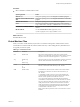
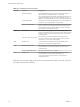
Table Of Contents
- Getting Started with VMware Player
- Contents
- Getting Started with VMware Player
- Introduction and System Requirements
- Installing and Using Player
- Creating Virtual Machines
- Understanding Virtual Machines
- Preparing to Create a Virtual Machine
- Create a Virtual Machine
- Use Easy Install to Install a Guest Operating System
- Install a Guest Operating System Manually
- Importing Virtual Machines
- Installing and Upgrading VMware Tools
- Installing VMware Tools
- Upgrading VMware Tools
- Configure Software Update Preferences
- Configure VMware Tools Updates for a Specific Virtual Machine
- Manually Installing and Upgrading VMware Tools
- Manually Install or Upgrade VMware Tools in a Windows Virtual Machine
- Manually Install or Upgrade VMware Tools in a Linux Virtual Machine
- Manually Install or Upgrade VMware Tools in a NetWare Virtual Machine
- Manually Install or Upgrade VMware Tools in a Solaris Virtual Machine
- Manually Install or Upgrade VMware Tools in a FreeBSD Virtual Machine
- Start the VMware User Process Manually If You Do Not Use a Session Manager
- Uninstall VMware Tools
- Virtual Machine Files
- Using Virtual Machines
- Starting Virtual Machines in Player
- Stopping Virtual Machines in Player
- Transferring Files and Text
- Using the Drag-and-Drop Feature
- Using the Copy and Paste Feature
- Using Shared Folders
- Mapping a Virtual Disk to the Host System
- Add a Host Printer to a Virtual Machine
- Using Removable Devices in Virtual Machines
- Install New Software in a Virtual Machine
- Changing the Virtual Machine Display
- Download a Virtual Appliance in Player
- Remove a Virtual Machine from the Library in Player
- Configuring and Managing Virtual Machines
- Change the Name of a Virtual Machine
- Change the Guest Operating System for a Virtual Machine
- Change the Working Directory for a Virtual Machine
- Change the Virtual Machine Directory for a Virtual Machine
- Change the Memory Allocation for a Virtual Machine
- Configuring Video and Sound
- Moving Virtual Machines
- Delete a Virtual Machine
- View the Message Log for a Virtual Machine
- Using the VIX API
- Configuring and Managing Devices
- Configuring DVD, CD-ROM, and Floppy Drives
- Configuring a USB Controller
- Configuring and Maintaining Virtual Hard Disks
- Configuring Virtual Ports
- Add a Virtual Parallel Port to a Virtual Machine
- Configure a Virtual Parallel Port on a Linux 2.6.x Kernel Host
- Configure Permissions for a Parallel Port Device on a Linux Host
- Troubleshoot ECR Errors for Parallel Ports
- Add a Virtual Serial Port to a Virtual Machine
- Change the Input Speed of a Serial Connection
- Configuring Generic SCSI Devices
- Configuring Eight-Way Virtual Symmetric Multiprocessing
- Configuring Keyboard Features
- Modify Hardware Settings for a Virtual Machine
- Configuring Network Connections
- Index

Table 3‑5. Virtual Machine Files (Continued)
Extension File Name Description
vmname-s###.vmdk If you specified that the files can increase, filenames include an s in
the file number, for example, Windows 7-s001.vmdk.
If you specified that the virtual disk is divided into 2GB sections, the
number of files depends on the size of the virtual disk. As data is
added to a virtual disk, the files increase to a maximum of 2GB each.
vmname-f###.vmdk
If all disk space was allocated when the disk was created, filenames
include an f, for example, Windows 7-f001.vmdk.
vmname-disk-###.vmdk
If the virtual machine has one or more snapshots, some files are redo
log files. These files store changes made to a virtual disk while the
virtual machine is running. The ### indicates a unique suffix that
Player adds to avoid duplicate file names.
.vmem uuid.vmem
The virtual machine paging file, which backs up the guest main
memory on the host file system. This file exists only when the virtual
machine is running or if the virtual machine fails. It is stored in the
working directory.
snapshot_name_number.vmem
Each snapshot of a virtual machine that is powered on has an
associated .vmem file, which contains the guest operating system
main memory, saved as part of the snapshot.
.vmsd vmname.vmsd
A centralized file for storing information and metadata about
snapshots. It is stored in the working directory.
.vmsn vmname.Snapshot.vmsn
The snapshot state file, which stores the running state of a virtual
machine at the time you take that snapshot. It is stored in the
working directory.
vmname.Snapshot###.vmsn
The file that stores the state of a snapshot.
.vmss vmname.vmss
The suspended state file, which stores the state of a suspended
virtual machine. It is stored in the working directory.
Some earlier VMware products used the .std extension for
suspended state files.
Other files, such as lock files, might also be present in the virtual machines directory. Some files are present
only while a virtual machine is running.
Getting Started with VMware Player
38 VMware, Inc.