
Specifications
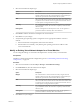
Table Of Contents
- Getting Started with VMware Player
- Contents
- Getting Started with VMware Player
- Introduction and System Requirements
- Installing and Using Player
- Creating Virtual Machines
- Understanding Virtual Machines
- Preparing to Create a Virtual Machine
- Create a Virtual Machine
- Use Easy Install to Install a Guest Operating System
- Install a Guest Operating System Manually
- Importing Virtual Machines
- Installing and Upgrading VMware Tools
- Installing VMware Tools
- Upgrading VMware Tools
- Configure Software Update Preferences
- Configure VMware Tools Updates for a Specific Virtual Machine
- Manually Installing and Upgrading VMware Tools
- Manually Install or Upgrade VMware Tools in a Windows Virtual Machine
- Manually Install or Upgrade VMware Tools in a Linux Virtual Machine
- Manually Install or Upgrade VMware Tools in a NetWare Virtual Machine
- Manually Install or Upgrade VMware Tools in a Solaris Virtual Machine
- Manually Install or Upgrade VMware Tools in a FreeBSD Virtual Machine
- Start the VMware User Process Manually If You Do Not Use a Session Manager
- Uninstall VMware Tools
- Virtual Machine Files
- Using Virtual Machines
- Starting Virtual Machines in Player
- Stopping Virtual Machines in Player
- Transferring Files and Text
- Using the Drag-and-Drop Feature
- Using the Copy and Paste Feature
- Using Shared Folders
- Mapping a Virtual Disk to the Host System
- Add a Host Printer to a Virtual Machine
- Using Removable Devices in Virtual Machines
- Install New Software in a Virtual Machine
- Changing the Virtual Machine Display
- Download a Virtual Appliance in Player
- Remove a Virtual Machine from the Library in Player
- Configuring and Managing Virtual Machines
- Change the Name of a Virtual Machine
- Change the Guest Operating System for a Virtual Machine
- Change the Working Directory for a Virtual Machine
- Change the Virtual Machine Directory for a Virtual Machine
- Change the Memory Allocation for a Virtual Machine
- Configuring Video and Sound
- Moving Virtual Machines
- Delete a Virtual Machine
- View the Message Log for a Virtual Machine
- Using the VIX API
- Configuring and Managing Devices
- Configuring DVD, CD-ROM, and Floppy Drives
- Configuring a USB Controller
- Configuring and Maintaining Virtual Hard Disks
- Configuring Virtual Ports
- Add a Virtual Parallel Port to a Virtual Machine
- Configure a Virtual Parallel Port on a Linux 2.6.x Kernel Host
- Configure Permissions for a Parallel Port Device on a Linux Host
- Troubleshoot ECR Errors for Parallel Ports
- Add a Virtual Serial Port to a Virtual Machine
- Change the Input Speed of a Serial Connection
- Configuring Generic SCSI Devices
- Configuring Eight-Way Virtual Symmetric Multiprocessing
- Configuring Keyboard Features
- Modify Hardware Settings for a Virtual Machine
- Configuring Network Connections
- Index

4 Select the virtual network adapter type.
Option Description
Bridged
The virtual machine is connected to the network by using the network
adapter on the host system. The virtual machine has a unique identity on
the network, separate from and unrelated to the host system.
NAT
The virtual machine and the host system share a single network identity
that is not visible on the external network. When the virtual machine sends
a request to access a network resource, it appears to the network resource
as if the request is coming from the host system.
Host-only
The virtual machine and the host virtual network adapter are connected to
a private Ethernet network. The network is completely contained within
the host system.
LAN segment
Select a LAN segment from the drop-down menu. A LAN segment is a
private network that is shared by other virtual machines.
5 Click Finish to add the virtual network adapter to the virtual machine.
6 Click OK to save your changes.
7 Verify that the guest operating system is configured to use an appropriate IP address on the new
network.
a If the virtual machine is using DHCP, release and renew the lease.
b If the IP address is set statically, verify that the guest operating system has an address on the
correct virtual network.
Modify an Existing Virtual Network Adapter for a Virtual Machine
You can change the settings of a virtual network adapter that is currently used by a virtual machine.
Prerequisites
Familiarize yourself with the network configuration types. See “Understanding Common Networking
Configurations,” on page 106.
Procedure
1 Select the virtual machine and select Player > Manage > Virtual Machine Settings.
2 On the Hardware tab, select the virtual network adapter.
3 Select the virtual network adapter type.
Option Description
Bridged
The virtual machine is connected to the network by using the network
adapter on the host system. The virtual machine has a unique identity on
the network, separate from and unrelated to the host system.
NAT
The virtual machine and the host system share a single network identity
that is not visible on the external network. When the virtual machine sends
a request to access a network resource, it appears to the network resource
as if the request is coming from the host system.
Host-only
The virtual machine and the host virtual network adapter are connected to
a private Ethernet network. The network is completely contained within
the host system.
LAN segment
Select a LAN segment from the drop-down menu. A LAN segment is a
private network that is shared by other virtual machines.
4 Click OK to save your changes.
Chapter 7 Configuring Network Connections
VMware, Inc. 111