
Hints and Tips
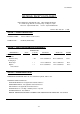

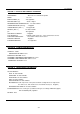
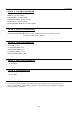

No. TK2002
SECTION 4 FIST AID MEASURES
EYE CONTACT : Any material that contacts the eye should be washed out immediately with water.
Get medical attention if symptoms are occurred.
SKIN CONTACT : Wash after each contact. Get medical attention if symptoms are occurred.
INHALATION : If symptomatic, remove to fresh air. Get medical attention if symptoms persist.
IF SWALLOWED : If swallowed, drink 1 or 2 glasses of water and immediately induce vomiting.
Get medical attention.
SECTION 5 FIRE FIGHTING MEASURES
FLASH POINT : Not applicable.
FLAMMABLE LIMITS : Not applicable.
EXTINGUISHING MEDIA : Water, Dry chemical, Foam.
HAZARDOUS COMBUSTION PRODUCTS : Carbon monoxide, Carbon dioxide and Smoke.
SECTION 6 ACCIDENTAL RELEASE MEASURES
Minimize the release of particulate. Wear personal protective equipment. Sweep up or vacuum
spilled toner and carefully transfer into sealed waste container. Sweep slowly to minimize
generation of dust during cleanup. If a vacuum is used, the motor must be rated as dust tight.
Residue can be removed with soap and water. Garments may be washed or dry cleaned, after
removal of loose toner.
SECTION 7 HANDLING AND STORAGE
HANDLING : Avoid prolonged inhalation of excessive dust and contact with eyes.
Keep out of reach children.
PREVENTION OF FIRE AND EXPLOSION : This material is capable of creating a dust explosion.
Avoid contact with ignition sources ex.heat, fire, etc.
STORAGE : Store in a cool and dry place. Keep away from strong oxidizers.
SECTION 8 EXPOSURE CONTROLS/PERSONAL PROTECTION
ENGINEERING CONTROLS : Good general ventilation is recommended.
RESPRIRATORY PROTECTION : Not required under normal conditions. For use other than in normal
operating procedures (such as in the event of large spill), goggles and
respirators may be required.
SKIN PROTECTION : Not required under normal conditions.
EYE PROTECTION : Not required under normal conditions.
EXPOSURE LIMITS : ACGIH TLV 10mg/m
3
(Total Dust),
OSHA PEL 15mg/m
3
(Total Dust), 5mg/m
3
(Respirable Dust).
2/4