
Specifications



PAGE 44 —DA7000 SERIES A.C. GENERATORS— OPERATION AND PARTS MANUAL — REV. #4 (08/07/09)
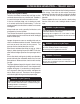
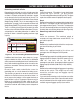
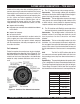
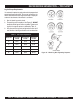
Figure 36. UTQGS Tire Information
Reference Figure 36 for additional tire information for light
trucks.
Tires for light trucks have other markings besides those
found on the sidewalls of passenger tires.
LT: The “LT” indicates the tire is for light trucks or trailers.
ST: An “ST” is an indication the tire is for trailer use only.
Max. Load Dual kg (lbs) at kPa (psi) Cold: This informa-
tion indicates the maximum load and tire pressure when the
tire is used as a dual, that is, when four tires are put on each
rear axle (a total of six or more tires on the vehicle).
Max. Load Single kg (lbs) at kPa (psi) Cold
This information indicates the maximum load and tire
pressure when the tire is used as a single.
Load Range
This information identifies the tire’s load-carrying capabili-
ties and its inflation limits.
Tire Safety Tips
Slow down if you have to go over a pothole or other
object in the road.
DO NOT run over curbs or other foreign objects in the
roadway, and try not to strike the curb when parking.
Check tire inflation pressure weekly during use to in-
sure the maximum tire life and tread wear.
DO NOT bleed air from tires when they are hot.
Inspect tires for uneven wear patterns on the tread,
cracks, foreign objects, or other signs of wear or trauma.
Remove bits of glass and foreign objects wedged in the
tread.
U.S. DOT Tire Identification Number: This begins with
the letters “DOT” and indicates that the tire meets all federal
standards. The next two numbers or letters are the plant
code where it was manufactured, and the last four numbers
represent the week and year the tire was built. For example,
the numbers 3197 means the 31st week of 1997. The other
numbers are marketing codes used at the manufacturer’s
discretion. This information is used to contact consumers
if a tire defect requires a recall.
Tire Ply Composition and Materials Used: The number
of plies indicates the number of layers of rubber-coated fabric in
the tire. In general, the greater the number of plies, the more
weight a tire can support. Tire manufacturers also must indi-
cate the materials in the tire, which include steel, nylon, poly-
ester, and others.
Maximum Load Rating: This number indicates the maxi-
mum load in kilograms and pounds that can be carried by
the tire.
Maximum Permissible Inflation Pressure: This number
is the greatest amount of air pressure that should ever be
put in the tire under normal driving conditions.
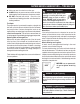
Uniform Tire Quality Grading Standards (UTQGS)
Treadwear Number: This number indicates the tire’s wear
rate. The higher the treadwear number is, the longer it should
take for the tread to wear down. For example, a tire graded
400 should last twice as long as a tire graded 200.
Traction Letter: This letter indicates a tire’s ability to stop
on wet pavement. A higher graded tire should allow you to
stop your car on wet roads in a shorter distance than a tire
with a lower grade. Traction is graded from highest to lowest
as “AA”,”A”, “B”, and “C”.
Temperature Letter: This letter indicates a tire’s resistance
to heat. The temperature grade is for a tire that is inflated
properly and not overloaded. Excessive speed, underinflation
or excessive loading, either separately or in combination,
can cause heat build-up and possible tire failure. From high-
est to lowest, a tire’s resistance to heat is graded as “A”,
“B”, or “C”.
DA7000 SERIES GENERATORS — TIRE SAFETY