
Microsoft Exchange 2000 Consolidation Using ProLiant Essentials Workload Management Pack

Microsoft Exchange 2000 Consolidation Using
T
ECHNOLOGY BRIEF (cont.) ProLiant Essentials Workload Management Pack
.
.
.
.
.
.
.
.
.
.
.
.
.
.
.
.
.
.
.
.
.
.
.
.
.
.
.
.
.
.
.
.
.
.
.
.
.
.
.
.
.
.
.
.
.
.
.
.
.
.
.
.
.
.
.
.
.
.
.
.
.
.
.
.
.
.
.
.
.
.
.
.
.
.
.
.
.
.
.
.
.
.
.
.
.
.
.
.
.
.
.
.
.
.
.
.
.
.
.
.
.
.
.
.
.
.
.
.
.
.
.
.
.
.
.
.
.
.
.
.
.
.
.
.
.
.
.
.
.
.
.
.
.
.
.
.
.
.
.
.
.
.
.
.
.
.
.
.
.
.
.
.
.
.
.
.
.
.
.
.
PARTITION PERFORMANCE
After applications and processors are set up, monitoring utilization of the server might reveal
existing resource conflicts. Through the use of additional features in RPM, real-time analysis
yields information to improve overall server utilization. Administrators can set up rules to avoid
current or future bottlenecks.
Partition Processor Utilization
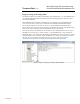
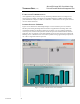
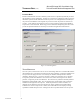
Figure 7 shows the Resource Partitioning Manager screen for another 8-processor, ProLiant
DL760 system running Exchange 2000 and an antivirus application for Exchange 2000. This
configuration includes two partitions named stor and AVPart. The stor partition contains the
store.exe process, and the AVPart partition contains the processes associated with the antivirus
application. The stor partition is using approximately 60 percent of six processors to manage the
Exchange server’s information store. The AVPart partition is using approximately 80 percent of
two CPUs to support the antivirus processes.
Figure 7. Resource Partition Processor Utilization
12
TC020602TB