
Microsoft Exchange 2000 Consolidation Using ProLiant Essentials Workload Management Pack

Microsoft Exchange 2000 Consolidation Using
T
ECHNOLOGY BRIEF (cont.) ProLiant Essentials Workload Management Pack
.
.
.
.
.
.
.
.
.
.
.
.
.
.
.
.
.
.
.
.
.
.
.
.
.
.
.
.
.
.
.
.
.
.
.
.
.
.
.
.
.
.
.
.
.
.
.
.
.
.
.
.
.
.
.
.
.
.
.
.
.
.
.
.
.
.
.
.
.
.
.
.
.
.
.
.
.
.
.
.
.
.
.
.
.
.
.
.
.
.
.
.
.
.
.
.
.
.
.
.
.
.
.
.
.
.
.
.
.
.
.
.
.
.
.
.
.
.
.
.
.
.
.
.
.
.
.
.
.
.
.
.
.
.
.
.
.
.
.
.
.
.
.
.
.
.
.
.
.
.
.
.
.
.
.
.
.
.
.
.
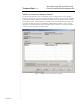
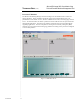
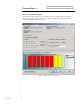
Resource Partition Properties
The Resource Partition Properties screen in Figure 5 shows the EXStore partition assigned to
processors 1 through 6 for use by the store.exe process. This partition is configured to start
automatically when the RPM service starts.
Figure 5. EXStore Partition Properties
10
TC020602TB