
HP ProLiant 300-series AMD-based G6 server technology


altered to increase cooling based on the sensor data and location. If one fan fails, all the other fans
default to high speed in order to assure the server remains within thermal specifications.
APML Remote Power Management Interface
Mult
iple processor-based thermal sensors are new for the AMD Opteron six-core 2400-series
processors. The APML Remote Power Management Interface from AMD allows users to remotely
monitor and control P-state limits from a systems management device such as iLO 2. Thermal readings
indicating the hottest part of the processor provide more accurate information about the operational
limits of the processor. These processor-based sensors are included in the data processed by the fan
controller.
Dynamic Power Capping
All ProLiant 300-series G6 servers incorporate Dynamic Power Capping, which allows administrators
to limit maximum power use and more accurately allocate power within a server. Dynamic Power
Capping can bring a server experiencing a sudden increase in workload back under its power cap in
less than one-half second, preventing any surge in power demand that could trip a typical data center
circuit breaker. Dynamic Power Capping has been designed and tested (at 50 degrees C and 150%
overload) to ensure that it can prevent tripping circuit breakers that have a specified trip time of three
seconds or longer.
This ability to keep server power consumption below the power cap in real time means that Dynamic
Power Capping can be used to effectively plan and manage both electrical provisioning and cooling
requirements in the data center. An administrator can electrically provision a PDU or a rack to less
than the indicated full faceplate power rating.
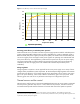
To implement Dynamic Power Capping, the iLO 2 management processor works in conjunction with a
power microcontroller to measure and control power use. When enforcing the Dynamic Power Cap,
the power microcontroller keeps the processor’s performance and power use under the set cap (see
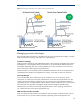
Figure 5). Administrators can set Dynamic Power Caps for individual servers from the iLO 2
Advanced user interface and for multiple rack-mount servers from the power management module
within HP Insight Control Environment (ICE).
HP Dynamic Power Capping is OS-independent and functions with all operating systems and software
applications. HP Dynamic Power Capping will continue to function even if the software fails because
it uses OS-independent hardware.
Since Dynamic Power Capping can affect server performance if set too aggressively, HP recommends
that Dynamic Power Caps be set at values that match or exceed the highest observed power
consumption over a representative server workload sample.
For a more detailed explanation of HP Dynamic Power Capping, see the technology brief “HP Power
Capping and HP Dynamic Power Capping for ProLiant servers” available at
http://h20000.www2.hp.com/bc/docs/support/S
upportManual/c01549455/c01549455.pdf.
13