
Technology and architecture of HP ProLiant AMD-based 100 - series G6 (Generation 6) servers
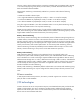
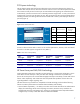
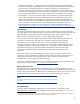
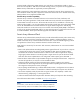

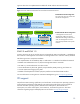



Figure 4 shows the two implementations available for the DL and SL100-series G6 servers.
Figure 4. LO100i sideband architecture for DL and SL100-series G6 servers
G6 DL100 series
LO100i
Full speed sideband
Embedded 2 Port
Intel NIC
Port
Port
System Network
G6 DL100 series
LO100i
Full speed sideband
Embedded 2 Port
Intel NIC
Port
Port
System Network
Embedded 2 Port
Intel NIC
Port
Port
System Network
G6 DL100 series
Dedicated NIC
Dedicated NIC
Management Network
Embedded 2 Port
Intel NIC
System Network
Port
Port
LO100i
G6 DL100 series
Dedicated NIC
Dedicated NIC
Management Network
Embedded 2 Port
Intel NIC
System Network
Port
Port
LO100i
Optional
Shared NIC DL100 G6 Configuration
The system NIC ports are shared with
LO100i for management.
Dedicated NIC DL100 G6 Configuration
A management network can be
employed by adding an optional
dedicated NIC through a mezzanine
card. The management network is
physically separated from the system
network.
IPMI 2.0 and DCMI 1.0
ProLiant 100-series G6 servers and LO100i are architected with IPMI 2.0 and DCMI 1.0 standards so
that customers in heterogeneous environments can manage these servers with either industry standard.
The following are basic compliance mandates-
• The implementation of all mandatory IPMI 2.0 and DCMI 1.0 in-band and out-of-band commands
• Reliable Local and Remote Power on/off/reset through IPMI Chassis commands
• Per IPMI 2.0, console redirection over telnet or SSH
• Server identification by device ID, globally unique identifier (GUID), asset tag, and chassis ID
• Accurate System Event Logging using IPMI
• Reliable in-band keyboard controller style (KCS) interface and out-of-band LAN interface
For more information on HP Lights-Out 100i Remote Management, go to
www.hp.com/go/LO100.
OS support
HP performs extensive testing, qualification, and certification on the latest server operating systems to
ensure maximum performance and reliability. HP resells and provides full service and support for
Microsoft Windows operating systems, Red Hat Linux® subscriptions, Novell SUSE Linux
subscriptions, Sun Solaris subscriptions, Citrix XenServer, and VMware hypervisors. The latest
information regarding support and deployment can be found at
www.hp.com/go/ossupport.
13