
SNAX/APC Application Programming Manual

Using the Application Program Interface
SNAX/APC Application Programming Manual—138786
1-12
Initial Environment
Queuing TP-Ready Requests
When SNAX/APC receives a remote ATTACH request, it first checks the TP-READY
waiting queue for the LU that received the request. If a TP-READY request is already
waiting on the queue, SNAX/APC satisfies the ATTACH request by sending a
TP-READY reply to the local TP.
If no specific TP-READY request is pending, SNAX/APC checks the general TP-
READY request queue for an entry with a matching TP name. If a general TP-READY
request is found, SNAX/APC satisfies the ATTACH request.
If neither a specific nor general TP-READY request is pending, SNAX/APC searches
the DISPATCHER-READY queue. If a DISPATCHER-READY verb is waiting, the
Dispatcher creates a new TP process and the TP issues a TP-READY request, specifying
NON-LOCAL and DISPATCHED; SNAX/APC satisfies the TP-READY request
instantly.
If none of these are true, SNAX/APC will check on the disposition of the ATTACH
request:
•
The ADD TPN command allows for the definition of REMOTEATTACH, which
will either tell SNAX/APC to reject the request or to queue the request.
•
The ADD TPN command also allows for the definition of
REMOTEATTACHTIMER, which sets the length of time SNAX/APC will wait for
a remote ATTACH. Values may be an indefinite wait, or may be variable from
1 millisecond to 24 hours.
Resource IDs
When a TP establishes communication with a local LU (using a TP-READY request), it
consumes certain resources. SNAX/APC returns a resource ID in the TP-READY reply
in order to track the owners of conversation resources.
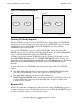
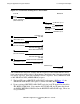
Figure 1-1. Initial SNA Environment
001CDT .CDD
SNAX/APC
SNA
IBM Tandem
TP TP
CICS