
HP Integrated Lights-Out 2 Management Processor Scripting and Command Line Resource Guide
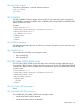
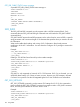
command block, and SSO_INFO MODE must be set to write. The user must have the Configure
iLO 2 privilege to execute this command.
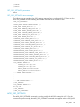
Example:
<RIBCL VERSION="2.0">
<LOGIN USER_LOGIN="Administrator" PASSWORD="password">
<SSO_INFO MODE="write">
<MOD_SSO_SETTINGS>
<!-- Specify the desired trust mode Options: DISABLED(default),
CERTIFICATE (recommended), NAME, or ALL
-->
<TRUST_MODE="CERTIFICATE" />
<!-- Specify the privileges assigned to the user role -->
<USER_ROLE LOGIN_PRIV="Y" />
<USER_ROLE REMOTE_CONS_PRIV="N" />
<USER_ROLE RESET_SERVER_PRIV="N" />
<USER_ROLE VIRTUAL_MEDIA_PRIV="N" />
<USER_ROLE CONFIG_ILO_PRIV="N" />
<USER_ROLE ADMIN_PRIV="N" />
<!-- Specify the privileges assigned to the operator role -->
<OPERATOR_ROLE LOGIN_PRIV="Y" />
<OPERATOR_ROLE REMOTE_CONS_PRIV="Y" />
<OPERATOR_ROLE RESET_SERVER_PRIV="Y" />
<OPERATOR_ROLE VIRTUAL_MEDIA_PRIV="Y" />
<OPERATOR_ROLE CONFIG_ILO_PRIV="N" />
<OPERATOR_ROLE ADMIN_PRIV="N" />
<!-- Specify the privileges assigned to the administrator role -->
<ADMINISTRATOR_ROLE LOGIN_PRIV="Y" />
<ADMINISTRATOR_ROLE REMOTE_CONS_PRIV="Y" />
<ADMINISTRATOR_ROLE RESET_SERVER_PRIV="Y" />
<ADMINISTRATOR_ROLE VIRTUAL_MEDIA_PRIV="Y" />
<ADMINISTRATOR_ROLE CONFIG_ILO_PRIV="Y" />
<ADMINISTRATOR_ROLE ADMIN_PRIV="Y" />
</MOD_SSO_SETTINGS>
</SSO_INFO>
</LOGIN>
</RIBCL>
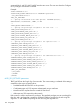
MOD_SSO_SETTINGS parameters
TRUST_MODE sets the Single Sign-On trust mode. The current setting is unaltered if this setting is
omitted from the script. Accepted values:
• DisabledDisables HP SIM SSO on this processor.
• CertificateAccepts only SSO requests authenticated using a certificate.
• NameTrusts SSO requests from the named HP SIM Server.
• AllAccepts any SSO request from the network.
Role names are used to associate iLO privileges. The specified privileges are set accordingly for
that role, and a privilege that is omitted is unaltered. Enable a privilege for the role using the
argument "Y" and disable the privilege for the role using the argument "N."
148 Using RIBCL