
User manual






34
Common uses for the LiveGuitar H-clamp
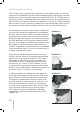
The H-clamp’s design is based on circular clamps used by stringed instru-
ment makers to hold the edges of the sound box together very tightly
while the glue that fixes them together sets. The circular clamp jaws mean
that it can be fitted very quickly and easily to any location around the
body of the guitar. As long as the precautions described in this manual for
tapered or domed sound boxes are followed, it should be difficult to cause
any structural damage to the edge of the guitar body by over-tightening
as this is its strongest point. It is also unlikely that it would prove neces-
sary at any stage to tighten the H-clamp any more than the guitar maker
would have tightened the cramps used in its manufacture. The only real
constraint on using the H-clamp is whether or not it gets in the way when
the instrument is being played. The three positions described earlier should
normally be the best for avoiding any interference with the action of play-
ing the guitar but the beauty of the LiveGuitar H-clamp is that there are
no hard and fast rules. Any position that suits your playing style, your
microphone(s) and the tone your are seeking is the right position. For
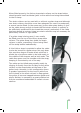
recording in particular, multiple H-clamps can be attached in various posi-
tions. The only real limit is how many can be attached before the guitar
becomes too unwieldy to play. The number depends primarily on the type
of microphone used, larger, more bulky microphones being the more limit-
ing. Nevertheless, in most instances it should be possible to attach at least
three before the microphones become too obtrusive.
In the same way that there are many different options for attaching the
H-clamp to guitars, the range of uses is almost limitless. Some of the more
common ones are outlined here and more information is available at
exploraudio.com
.
A) On stage
1. Single microphone (typically a pencil style
instrument microphone but small lavalier or pro
-
fessional vocal microphones may also give good
results) positioned to capture the best possible
acoustic tone. Ideal for any pure acoustic per-
formance - classical, folk, rock/pop or jazz.
2. Single vocal microphone positioned to cap
-
ture either vocals only or both guitar and vocals.
Particularly useful for the solo performer. One
microphone and an amplifier may be all that’s
needed.