
Specifications
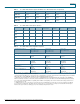
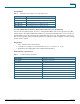
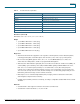
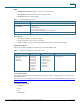
Table Of Contents
Data Sheet
© 2010 Cisco and/or its affiliates. All rights reserved. This document is Cisco Public Information. Page 5 of 9
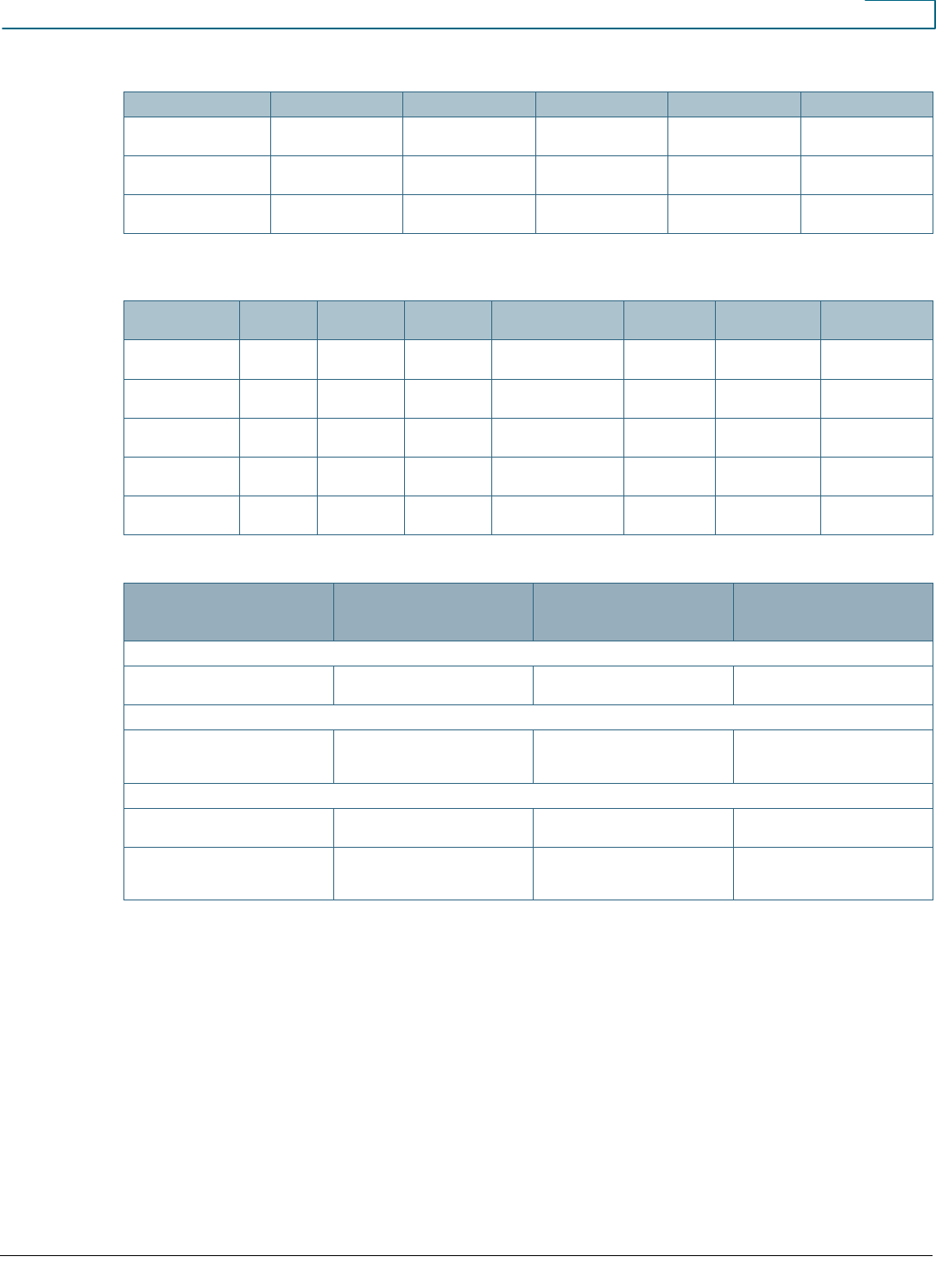
Table 1. Cisco MFT VWIC3 Platform Support and Minimum Cisco IOS Software Release Requirements
VWIC3-1MFT-T1/E1 VWIC3-2MFT-T1/E1 VWIC3-1MFT-G703 VWIC3-2MFT-G703 VWIC3-4MFT-T1/E1
Cisco 1900 Chassis
EHWIC Slots
15.0(1)M3, 15.1(1)T1,
15.1(2)T
15.0(1)M3, 15.1(1)T1,
15.1(2)T
15.0(1)M3, 15.1(1)T1,
15.1(2)T
15.0(1)M3, 15.1(1)T1,
15.1(2)T
N/A*
Cisco 2900 Chassis
EHWIC Slots
15.0(1)M3, 15.1(1)T1,
15.1(2)T
15.0(1)M3, 15.1(1)T1,
15.1(2)T
15.0(1)M3, 15.1(1)T1,
15.1(2)T
15.0(1)M3, 15.1(1)T1,
15.1(2)T
15.1(3)T*
Cisco 3900 Chassis
EHWIC Slots
15.0(1)M3, 15.1(1)T1,
15.1(2)T
15.0(1)M3, 15.1(1)T1,
15.1(2)T
15.0(1)M3, 15.1(1)T1,
15.1(2)T
15.0(1)M3, 15.1(1)T1,
15.1(2)T
15.1(3)T
* VWIC3-4MFT-T1/E1is supported on Cisco 2911, 2921, 2951 and Cisco 3900 Series routers
Table 2. Cisco MFT VWIC3 Card Feature Comparison
Part Number Number of
Ports
T1 Support E1 Support Unstructured E1
(G.703) Support
Data Support
WIC Mode
Voice Support
VIC*
Drop-and-Insert
Multiplexing
VWIC3-1MFT-
T1/E1
1 Yes Yes No Yes Yes Yes
VWIC3-2MFT-
T1/E1
2 Yes Yes No Yes Yes Yes
VWIC3-4MFT-
T1/E1
4 Yes Yes No Yes Yes Yes
VWIC3-1MFT-
G703
1 Yes Yes Yes Yes Yes Yes
VWIC3-2MFT-
G703
2 Yes Yes Yes Yes Yes Yes
Table 3. Cisco MFT VWIC3 Card Configuration Comparison
Configuration Description 1-port Cards
VWIC3-1MFT-T1/E1,
VWIC3-1MFT-G703
2-port Cards
VWIC3-2MFT-T1/E1,
VWIC3-2MFT-G703
4-port Card
VWIC3-4MFT-T1/E1
Data Only
Serial Data (channel-group*) 2 total
2 per port
2 total
2 per port
4 total
1 per port
Voice Only
Voice CAS (ds0-group**) 24 total (T1)
31 total (E1)
1 per timeslot
48 total (T1)
62 total (E1)
1 per timeslot
96 total (T1)
124 total (E1)
1 per timeslot
Voice, Video and Data
PRI (pri-group***) 1 total
1 per port
2 total
1 per port
4 total
1 per port
Drop & Insert (tdm-group****) 24 total (T1)
31 total (E1)
1 per timeslot
48 total (T1)
62 total (E1)
1 per timeslot
96 total (T1)
124 total (E1)
1 per timeslot
* Channel Group refers to bonding of one or more timeslots into a single HDLC-framed serial connection for IP data traffic connectivity. This is used for
HDLC, Frame Relay and MLPPP serial WAN connections.
** Ds0 Group refers to Bonding of one or more timeslots into a single TDM voice connection using Channel Associated Signaling (CAS) such as E&M,
FXS or FXO. This is used for TDM PBX or PSTN connections and typically deployed only on T1.
*** PRI Group refers to bonding of two or more timeslots into a single TDM connection using ISDN signaling. This is typically used for TDM PBX or
PSTN voice and video connections on T1 and E1, and also for data WAN connections on E1. Each call on the PRI is individually indicated as being a
voice, video or data call with the ISDN bearer capability delivered with the call. Signaling is done on the D-channel, which is always channel 24 on a
T1, and channel 31 on an E1.
**** TDM Group refers to cross-connecting one or more timeslots from one TDM interface to another. This is used to groom channels from different
access points onto a combined T1 or E1 uplink. Since the router merely cross-connects and does not interpret or route the traffic from the ingress
interface to the egress interface, the traffic type (voice, video and data) is transparent to the router.