
Datasheet



Cisco Preferred Architecture for
Midmarket Collaboration PAGE 13
Call Control
Call Control
Call control is the core element for any communications deployment. It provides endpoint registration, call processing, and
call admission control. Call control design considerations include the enterprise dial plan, endpoint addressing scheme,
calling party presentation, call admission control, codec selection, PSTN connectivity, and general trunking requirements,
as well as other factors.
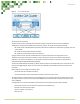
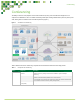
Cisco Unified CM provides a common call control platform for all Cisco Collaboration deployments (Figure 5). Having a
highly available and common call control component for a communications infrastructure is crucial to provide consistent
services for all devices and communication types and to preserve a uniform dial plan and a consistent feature set across
the enterprise.
Adding the IM and Presence Service to a Cisco Unified CM deployment provides instant messaging, network-based
presence, and federation for third-party chat servers, and it enables the use of Cisco Jabber for instant messaging,
presence, and audio and video communications.
Figure 5. Architecture for Call Control
Table 6 lists the roles of the call control components in this architecture and the services they provide.
Table 6. Components for Call Control
Module
Component
Description
Call Control
Cisco Unified Communications Manager
(Unified CM)
Provides call routing and services, dial plan, and bandwidth management;
and enables Cisco Jabber desk phone control
Cisco Unified Communications Manager
IM and Presence Service
Provides Cisco Jabber support for instant messaging and user-based
presence and third-party federation
Cisco Integrated Services Router (ISR)
Provides Survivable Remote Site Telephony (SRST) to support call control
functions during a WAN outage