
Specifications



Cisco Unified SIP SRST Feature Overview
Cisco Unified SIP SRST Description
6
Cisco Unified SIP SRST 4.0 System Administrator Guide
Cisco Unified SIP SRST can support SIP phones with standard RFC 3261 feature support locally and
across SIP WAN networks. With Cisco Unified SIP SRST, SIP phones can place calls across SIP
networks in the same way as SCCP phones.
Cisco Unified SIP SRST supports the following call combinations:
• SIP phone to SIP phone
• SIP phone to PSTN / router voice-port
• SIP phone to Skinny Client Control Protocol (SCCP) phone
• SIP phone to WAN VoIP using SIP
SIP proxy, registrar, and B2BUA servers are key components of a SIP VoIP network. These servers are
usually located in the core of a VoIP network. If SIP phones located at remote sites at the edge of the
VoIP network lose connectivity to the network core (because of a WAN outage), they may be unable to
make or receive calls. Cisco Unified SIP SRST functionality on a SIP PSTN gateway provides service
reliability for SIP-based IP phones in the event of a WAN outage. Cisco Unified SIP SRST enables the
SIP IP phones to continue to make and receive calls to and from the PSTN and also to make and receive
calls to and from other SIP IP phones.
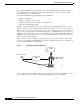
Figure 1 shows that when the WAN is up, dual registration occurs. The phone registers with the SIP
proxy server and the SIP registrar (B2BUA router). But any calls from the SIP phone go to the SIP proxy
server through the WAN and out to the PSTN.
Figure 1 Dual Registration When WAN Is Up
Figure 2 shows that when the WAN or SIP proxy server goes down, the call from the SIP phone cannot
get to the SIP proxy server and instead goes through the B2BUA router out to the PSTN.
IP
IP
146132
SIP proxy server
WAN
PSTN
SIP phone
SIP SRST registrar
(B2BUA router)
Dual registration
Dual registration
Dual registration