
Wireless Touch Panel with Intercom Reference Guide
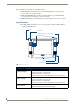
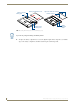
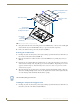

Table Of Contents
- MVP-8400iModero® ViewPoint® Wireless Touch Panel with Intercom
- MVP-8400i Modero Viewpoint Wireless Touch Panel With Intercom
- MVP-BP Power Pack
- NXA-CFSP Compact Flash
- Wireless Interface Cards
- Configuring Communications
- Modero Setup and System Settings
- Wireless Settings Page - Wireless Access Overview
- Configuring a Wireless Network Access
- Step 1: Configure the Panel’s Wireless IP Settings
- Step 2: Configure the Card’s Wireless Security Settings
- Step 3: Choose a Master Connection Mode
- Using G4 Web Control to Interact with a G4 Panel
- Using your NetLinx Master to control the G4 panel
- Upgrading MVP Firmware
- Setup Pages
- Navigation Buttons
- Setup Pages
- Information
- Protected Setup Pages
- Protected Setup Navigation Buttons
- G4 Web Control Page
- Calibration Page
- Wireless Settings Page
- Wireless Security Page
- Open (Clear Text) Settings
- Static WEP Settings
- WPA-PSK Settings
- EAP-LEAP Settings
- EAP-FAST Settings
- EAP-PEAP Settings
- EAP-TTLS Settings
- EAP-TLS Settings
- Client certificate configuration
- System Settings Page
- Other Settings
- Tools
- Programming
- Panel Calibration
- Appendix A: Text Formatting
- Appendix B - Wireless Technology
- Appendix C: Troubleshooting
- Checking AMX USBLAN device connections via Windows Device Manager
- Checking AMX USBLAN device connections via NetLinx Studio
- USB Driver
- Panel Not in Listed As a Connected Device
- Connection Status
- Panel Doesn’t Respond To Touches
- Batteries Will Not Hold Or Take A Charge
- Modero Panel Isn’t Appearing In The Online Tree Tab
- MVP Can’t Obtain a DHCP Address
- My WEP Doesn’t Seem To Be Working
- NetLinx Studio Only Detects One Of My Connected Masters
- Can’t Connect To a NetLinx Master
- Only One Modero Panel In My System Shows Up
- Panel Behaves Strangely After Downloading A Panel File Or Firmware
- Panel Fails to Charge in MVP-WDS
NXA-CFSP Compact Flash
8
MVP-8400i Modero Viewpoint Wireless Touch Panels
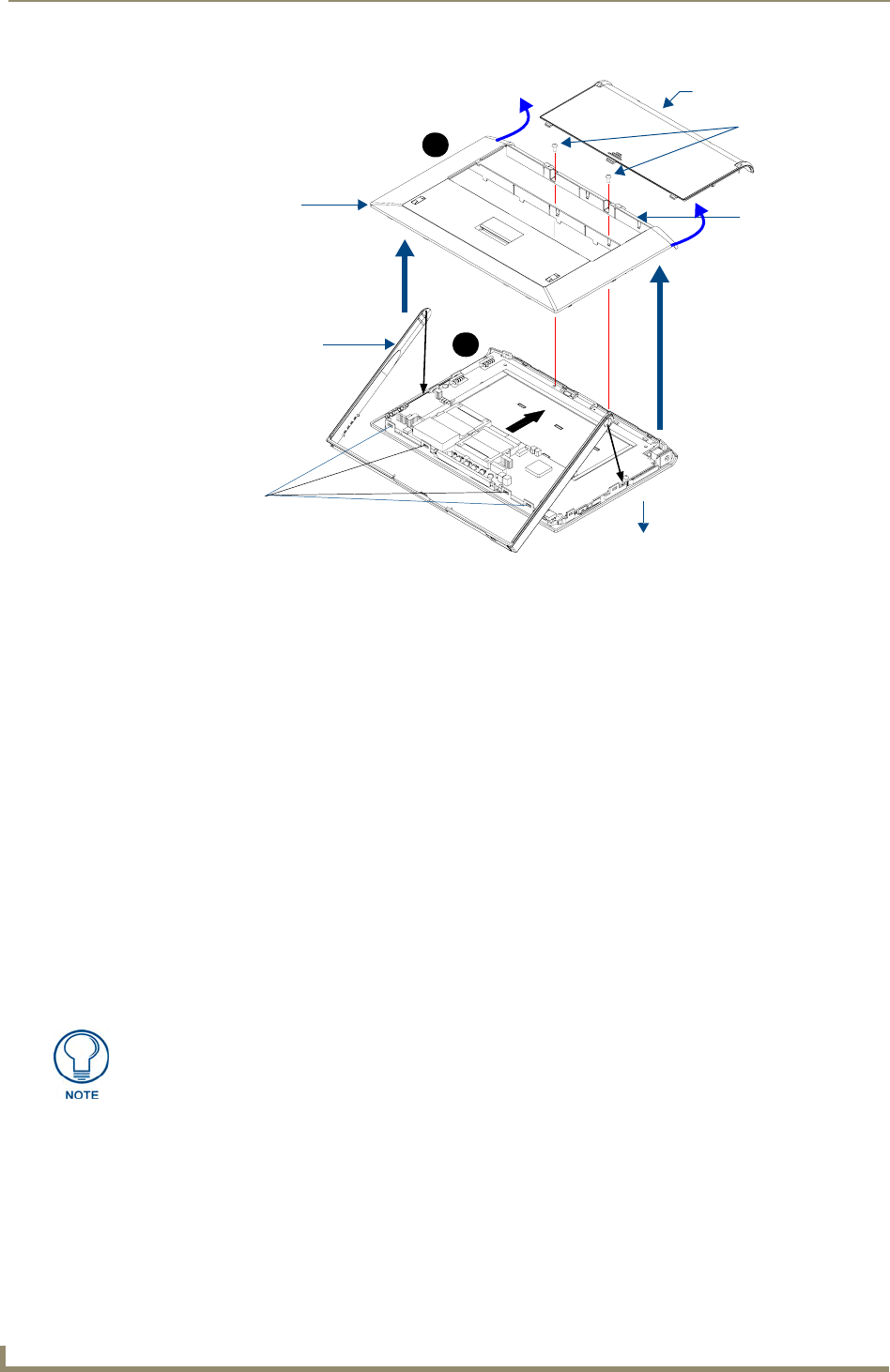
3. Grasp the bottom rim of the rear housing just above the MVP interface connector, and carefully pull
the bottom rim away from the IR Emitter and up, to expose the internal components.
4. Remove the trim from the top rim of the circuit board (FIG. 5).
Removing the Installed Card
1. Discharge any static electricity from your body by touching a grounded metal object and then locate
the card slot on the main circuit board (
FIG. 6).
2. Place the circuit board on a flat level surface so that the IR Emitters are pointing away from you
(
FIG. 6).
3. Insert the tip of a grounded flat-head screwdriver into one of the card removal grooves (located on
either side of the existing card), and gently pry it out of the slot (
FIG. 7). Repeat this process on the
opposite card removal groove. This alternating action causes the card to "wiggle" away from the
on-board connector pins.
4. Slip your finger into the gap between the card and the circuit board and firmly grab the card by its
sides, then carefully pull it up and out of the slot. An angular removal of the card is required because
one of the housing’s latch attachments blocks the slot opening.
Installing the Compact Flash Upgrade Card
1. Discharge any static electricity from your body by touching a grounded metal object and then locate
the memory card slot on the main board (A in
FIG. 6).
FIG. 5 Removing the MVP enclosure (housing)
Housing screws
Trim fits inside
the grooves around
the edges of the panel
Circuit board
housing
attachment
locations (4)
Bottom rim of outer
housing
Battery Compartment cover
Rear outer housing
A
B
Panel
use care when pulling up on the card.