
Wireless Touch Panel with Intercom Reference Guide
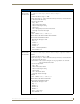
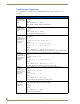
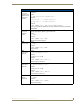
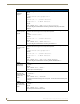
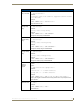
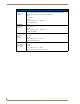
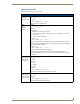
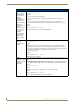
Table Of Contents
- MVP-8400iModero® ViewPoint® Wireless Touch Panel with Intercom
- MVP-8400i Modero Viewpoint Wireless Touch Panel With Intercom
- MVP-BP Power Pack
- NXA-CFSP Compact Flash
- Wireless Interface Cards
- Configuring Communications
- Modero Setup and System Settings
- Wireless Settings Page - Wireless Access Overview
- Configuring a Wireless Network Access
- Step 1: Configure the Panel’s Wireless IP Settings
- Step 2: Configure the Card’s Wireless Security Settings
- Step 3: Choose a Master Connection Mode
- Using G4 Web Control to Interact with a G4 Panel
- Using your NetLinx Master to control the G4 panel
- Upgrading MVP Firmware
- Setup Pages
- Navigation Buttons
- Setup Pages
- Information
- Protected Setup Pages
- Protected Setup Navigation Buttons
- G4 Web Control Page
- Calibration Page
- Wireless Settings Page
- Wireless Security Page
- Open (Clear Text) Settings
- Static WEP Settings
- WPA-PSK Settings
- EAP-LEAP Settings
- EAP-FAST Settings
- EAP-PEAP Settings
- EAP-TTLS Settings
- EAP-TLS Settings
- Client certificate configuration
- System Settings Page
- Other Settings
- Tools
- Programming
- Panel Calibration
- Appendix A: Text Formatting
- Appendix B - Wireless Technology
- Appendix C: Troubleshooting
- Checking AMX USBLAN device connections via Windows Device Manager
- Checking AMX USBLAN device connections via NetLinx Studio
- USB Driver
- Panel Not in Listed As a Connected Device
- Connection Status
- Panel Doesn’t Respond To Touches
- Batteries Will Not Hold Or Take A Charge
- Modero Panel Isn’t Appearing In The Online Tree Tab
- MVP Can’t Obtain a DHCP Address
- My WEP Doesn’t Seem To Be Working
- NetLinx Studio Only Detects One Of My Connected Masters
- Can’t Connect To a NetLinx Master
- Only One Modero Panel In My System Shows Up
- Panel Behaves Strangely After Downloading A Panel File Or Firmware
- Panel Fails to Charge in MVP-WDS
Programming
150
MVP-8400i Modero Viewpoint Wireless Touch Panels
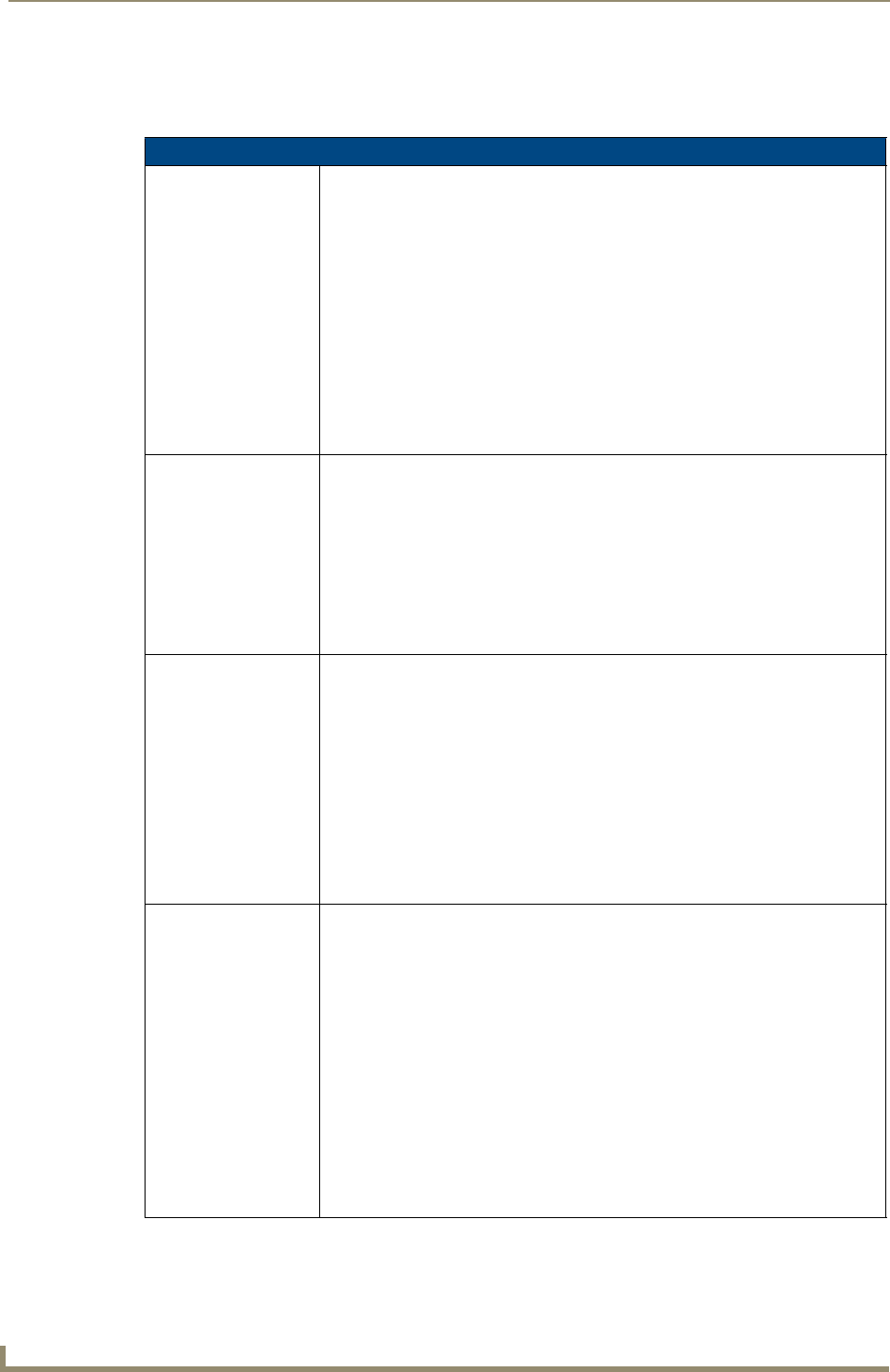
Panel Setup Commands
These commands are case insensitive.
Panel Setup Commands
CLOCK
Sets the time and date
on the panel.
Syntax:
“’CLOCK mm-dd-yy hh:mm:ss’”
Variables:
mm = Month
dd = Day
yy = Year
hh = Hour
mm = Minute
ss = Second
Example:
SEND_COMMAND Panel, “’CLOCK 04-19-76 19:16:00’”
Sets the time and date on the panel to April 19, 1976, 7:16 PM.
^CFE
Enable or disable the
image Flash backup
cache
Syntax:
“’^CFE-<0/1>’”
Variables:
0 - for disable
1 - for enable
Example:
SEND_COMMAND Panel, “’^CFE-1’”
Tells the cache manager to enable the Flash backup image cache.
^CPR
Purge the cache when
needed in the context of
the running program.
Syntax:
“’^CPR-<cache mask>’”
Variables:
cache mask:
• 0x0001 - Purge non-volatile (Flash) image cache
• 0x0002 - Purge RAM image cache
• 0x0003 - Purge both non-volatile and RAM image caches
Example:
SEND_COMMAND Panel, “’^CPR-3’”
Purges all images from both primary RAM cache and backup Flash cache.
^CFS
Modifies the size of the
backup image Flash
cache.
Syntax:
“’^CFS-<size in MB>’”
Variable:
size in MB - MB of allocated Flash memory
Example:
SEND_COMMAND Panel, “’^CFS-12’”
Modifies the Flash cache size to 12MB.
The space is not immediately allocated to the backup cache, it is consumed as
needed for new entries in the Flash cache. If the size is reduced to something less
than the size of the items currently stored in Flash cache, the least recently used
items are deleted one by one until the used disk space is less than the maximum
provided in the ^CFS command. If the size is larger than the maximum size allowed
for the Flash cache (determined by taking 75% of free Flash space), the size reverts
to the maximum size allowed.