
Wireless Touch Panel with Intercom Reference Guide
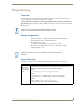
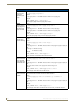
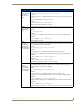
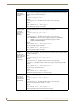
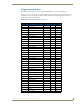
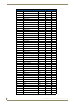
Table Of Contents
- MVP-8400iModero® ViewPoint® Wireless Touch Panel with Intercom
- MVP-8400i Modero Viewpoint Wireless Touch Panel With Intercom
- MVP-BP Power Pack
- NXA-CFSP Compact Flash
- Wireless Interface Cards
- Configuring Communications
- Modero Setup and System Settings
- Wireless Settings Page - Wireless Access Overview
- Configuring a Wireless Network Access
- Step 1: Configure the Panel’s Wireless IP Settings
- Step 2: Configure the Card’s Wireless Security Settings
- Step 3: Choose a Master Connection Mode
- Using G4 Web Control to Interact with a G4 Panel
- Using your NetLinx Master to control the G4 panel
- Upgrading MVP Firmware
- Setup Pages
- Navigation Buttons
- Setup Pages
- Information
- Protected Setup Pages
- Protected Setup Navigation Buttons
- G4 Web Control Page
- Calibration Page
- Wireless Settings Page
- Wireless Security Page
- Open (Clear Text) Settings
- Static WEP Settings
- WPA-PSK Settings
- EAP-LEAP Settings
- EAP-FAST Settings
- EAP-PEAP Settings
- EAP-TTLS Settings
- EAP-TLS Settings
- Client certificate configuration
- System Settings Page
- Other Settings
- Tools
- Programming
- Panel Calibration
- Appendix A: Text Formatting
- Appendix B - Wireless Technology
- Appendix C: Troubleshooting
- Checking AMX USBLAN device connections via Windows Device Manager
- Checking AMX USBLAN device connections via NetLinx Studio
- USB Driver
- Panel Not in Listed As a Connected Device
- Connection Status
- Panel Doesn’t Respond To Touches
- Batteries Will Not Hold Or Take A Charge
- Modero Panel Isn’t Appearing In The Online Tree Tab
- MVP Can’t Obtain a DHCP Address
- My WEP Doesn’t Seem To Be Working
- NetLinx Studio Only Detects One Of My Connected Masters
- Can’t Connect To a NetLinx Master
- Only One Modero Panel In My System Shows Up
- Panel Behaves Strangely After Downloading A Panel File Or Firmware
- Panel Fails to Charge in MVP-WDS
Programming
107
MVP-8400i Modero Viewpoint Wireless Touch Panels
Programming Numbers
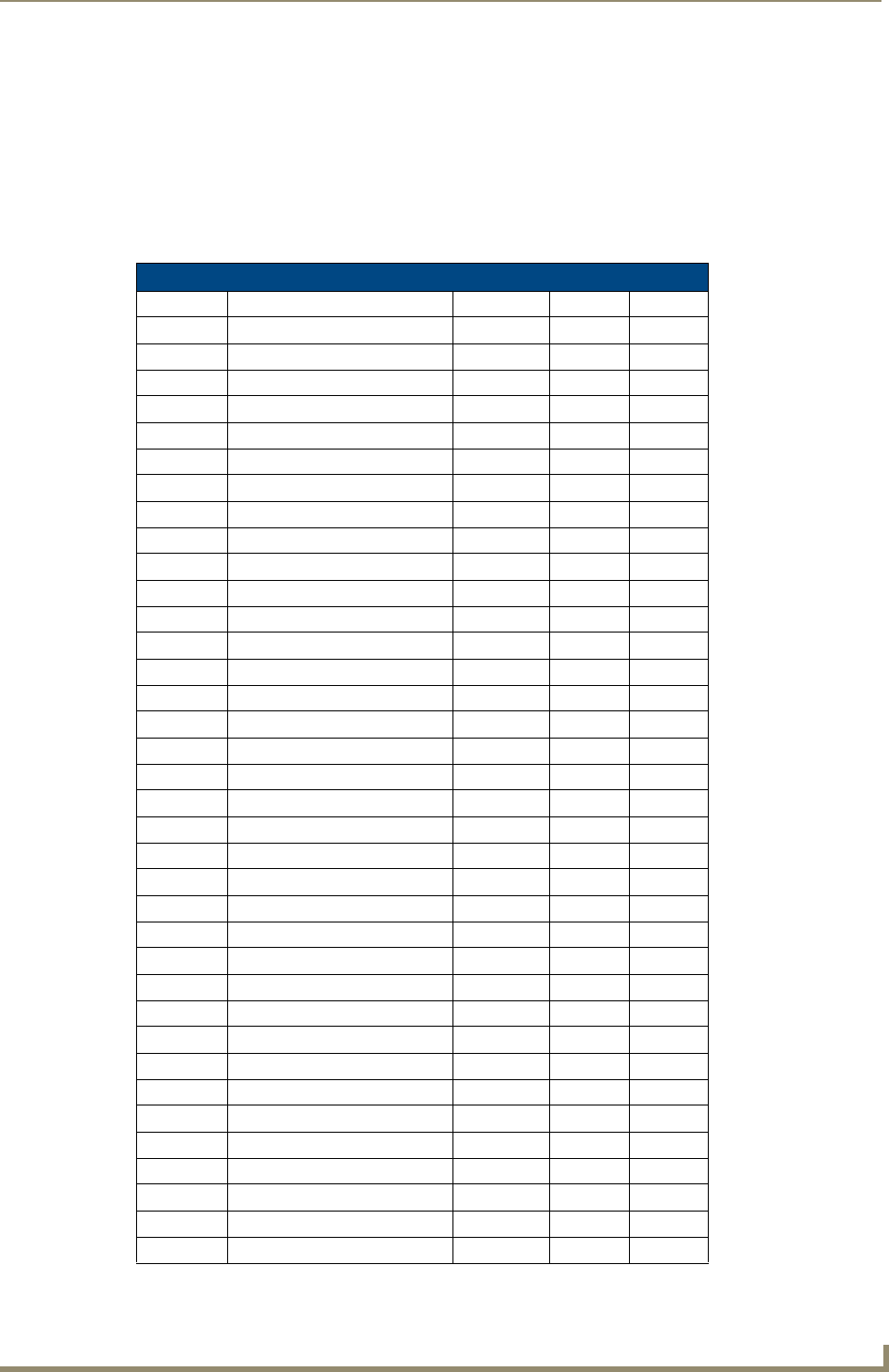
The following information provides the programming numbers for colors, fonts, and borders.
Colors can be used to set the colors on buttons, sliders, and pages. The lowest color number represents
the lightest color-specific display; the highest number represents the darkest display. For example, 0
represents light red, and 5 is dark red.
RGB triplets and names for basic 88 colors
RGB Values for all 88 Basic Colors
Index No. Name Red Green Blue
00 Very Light Red 255 0 0
01 Light Red 223 0 0
02 Red 191 0 0
03 Medium Red 159 0 0
04 Dark Red 127 0 0
05 Very Dark Red 95 0 0
06 Very Light Orange 255 128 0
07 Light Orange 223 112 0
08 Orange 191 96 0
09 Medium Orange 159 80 0
10 Dark Orange 127 64 0
11 Very Dark Orange 95 48 0
12 Very Light Yellow 255 255 0
13 Light Yellow 223 223 0
14 Yellow 191 191 0
15 Medium Yellow 159 159 0
16 Dark Yellow 127 127 0
17 Very Dark Yellow 95 95 0
18 Very Light Lime 128 255 0
19 Light Lime 112 223 0
20 Lime 96 191 0
21 Medium Lime 80 159 0
22 Dark Lime 64 127 0
23 Very Dark Lime 48 95 0
24 Very Light Green 0 255 0
25 Light Green 0 223 0
26 Green 0 191 0
27 Medium Green 0 159 0
28 Dark Green 0 127 0
29 Very Dark Green 0 95 0
30 Very Light Mint 0 255 128
31 Light Mint 0 223 112
32 Mint 0 191 96
33 Medium Mint 0 159 80
34 Dark Mint 0 127 64
35 Very Dark Mint 0 95 48